The AI Agent Stack: Best Tools for Building AI Agents in 2026

AI Infrastructure Lead
🎯 Key Takeaways
- A modern AI agent is a stack of swappable layers: a model (brain), a coding agent or IDE (hands), web search (eyes), email/comms (voice), and skills/memory.
- The winning move is mixing best-in-class per layer — a cheap open model for volume, a premium model for hard tasks, and dedicated infrastructure for search and email.
- We've hands-on reviewed the leading tool in every layer. This page is the map — click through to the full review of each.
- Start free: almost every tool here has a free tier or is open source, so you can assemble a capable agent stack for very little.
"Building an AI agent" sounds like one thing, but it's really an assembly job. An agent that does useful work needs a brain to reason, hands to write and run code, eyes to see the live web, a voice to communicate, and memory to get better over time. In 2026 each of those layers has a best-in-class tool — and the smartest builders mix and match rather than buying one all-in-one box. Here's the complete map of the AI agent stack, with a hands-on review behind every recommendation.
The stack at a glance
| Layer | What it does | Top picks |
|---|---|---|
| 🧠 Brain | Reasoning & code generation | Claude Opus 4.8, GLM 5.2, Kimi K2 |
| ✋ Hands | Write, run & ship code | OpenCode, Claude Code, Cursor, Antigravity |
| 👁️ Eyes | Live web search & data | Exa |
| 🗣️ Voice | Email & communication | SendMux, AgentMail |
| 🧩 Memory | Skills & extensions | Claude Agent Skills, MCP |
🧠 Layer 1: The Brain (models)
Every agent starts with a model. The 2026 story is that the gap between premium and open-weight has narrowed to the point where the right answer is usually "both." Claude Opus 4.8 still leads the hardest long-horizon agentic work, but GLM 5.2 and Kimi K2 deliver most of the quality for a fraction of the cost — and they're open-weight, so you can self-host.
- 📊 GLM 5.2 vs Claude Opus 4.8 — the cheap open model that ties the premium one on many benchmarks.
- 💰 Kimi K2 vs Claude Code — ~10x cheaper output, open weights, and how it stacks up on coding.
- 🚀 Kimi Code review — Opus-level coding in your terminal at $19/month.
✋ Layer 2: The Hands (coding agents & IDEs)
A model can't do much until something lets it read your repo, write code, and run commands. That's the coding agent — and there's a tool for every taste: open-source and terminal-first, polished and GUI-first, or agent-first and multi-agent.
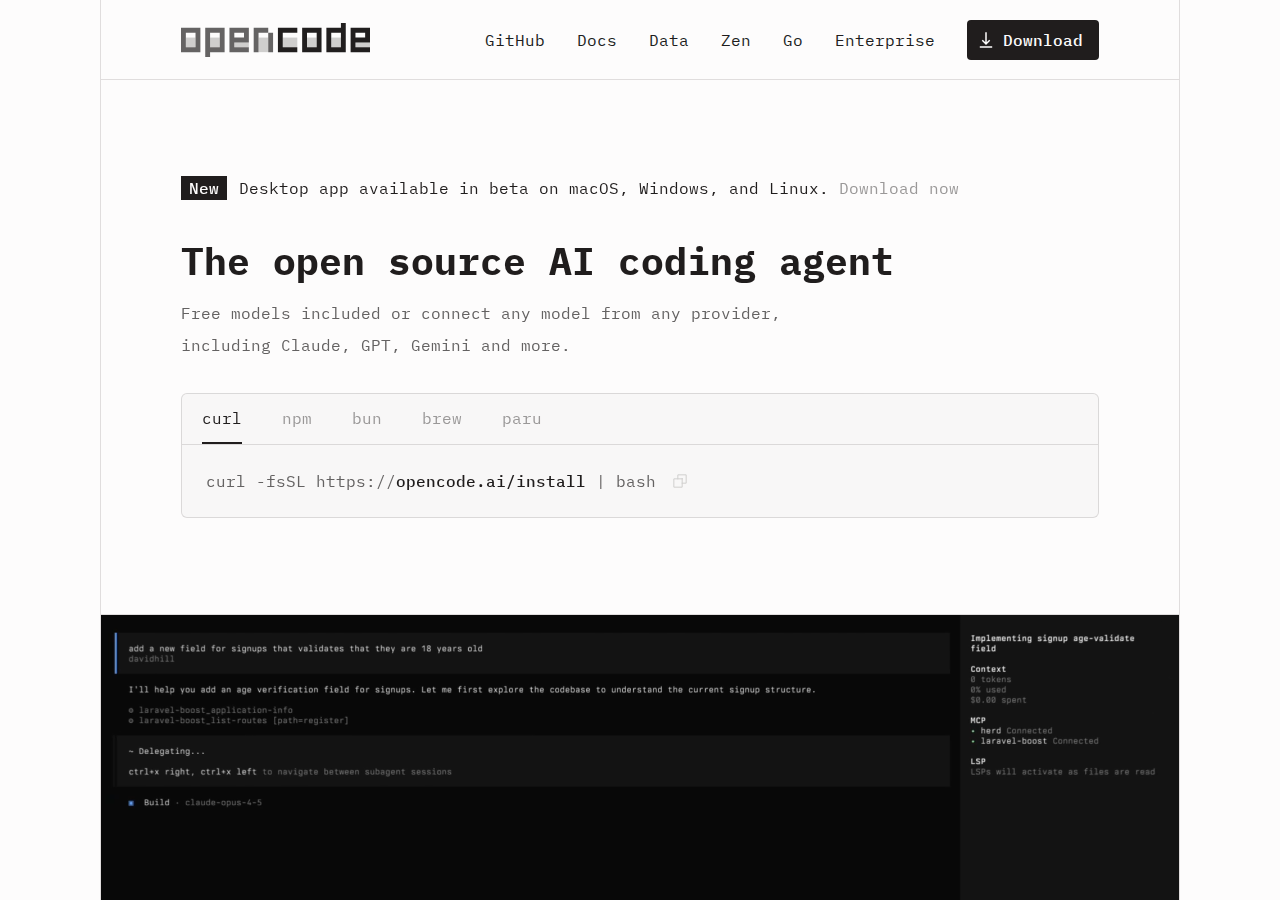
- 🔓 OpenCode review — free, open-source, 75+ model providers, best terminal UX.
- ⚔️ OpenCode vs Claude Code — open freedom vs Anthropic's polished ecosystem.
- 🛸 Google Antigravity review — the agent-first IDE with a multi-agent Manager, free in preview.
- 🥊 Antigravity vs Cursor — free multi-agent orchestration vs the best-in-class editor.
👁️ Layer 3: The Eyes (web search & data)
Models are frozen in time; agents need live information. A search API built for machines — returning clean, cited excerpts instead of blue links — is the difference between an agent that hallucinates and one that cites reality.
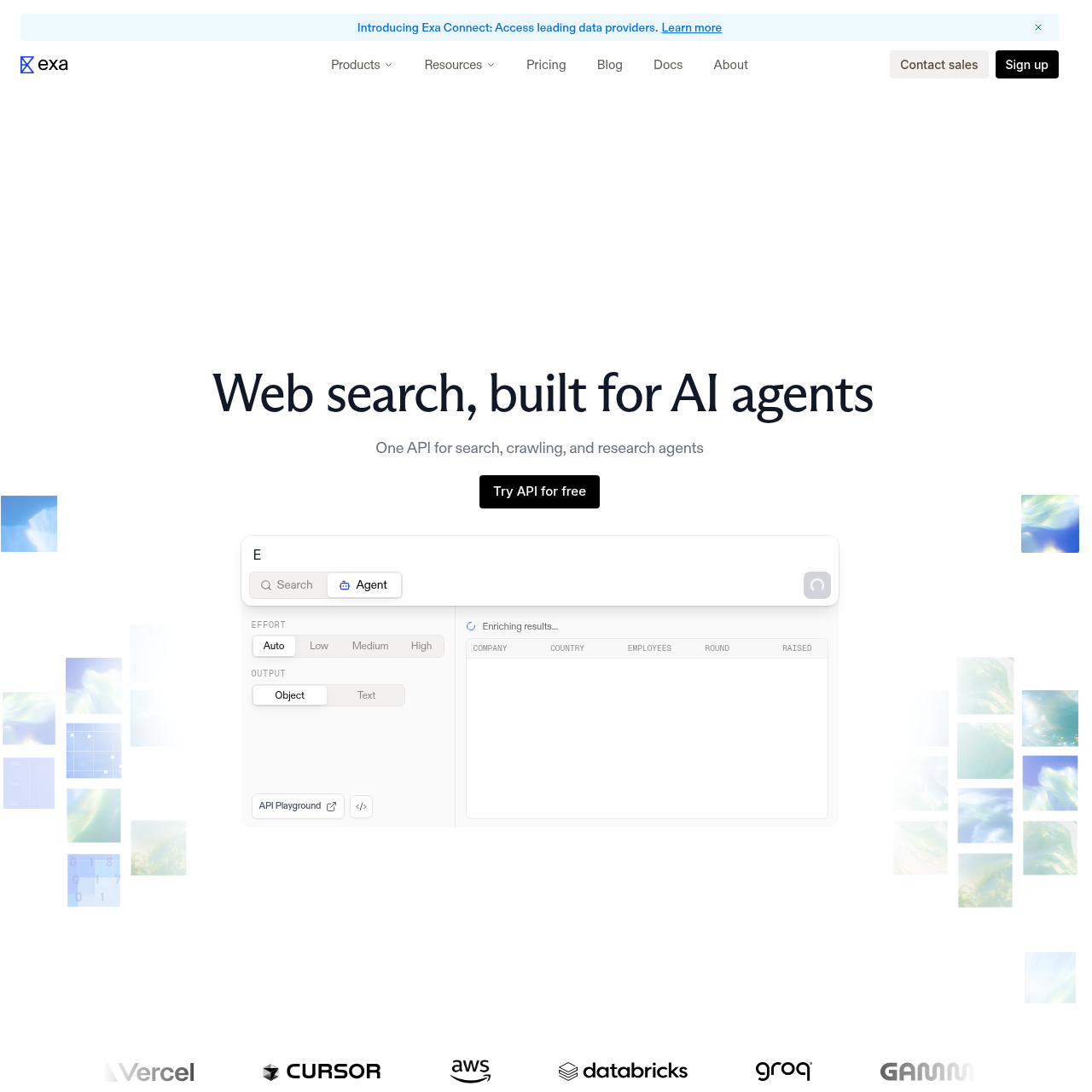
- 🔍 Exa review — neural search, cited highlights that cut tokens up to 90%, an MCP server, and 20,000 free requests a month.
🗣️ Layer 4: The Voice (email & comms)
An agent that can't be reached — or reach out — is a demo, not a product. Giving each agent a real inbox turns it into a genuine correspondent that can verify sign-ups, reply to customers, and hold a thread.
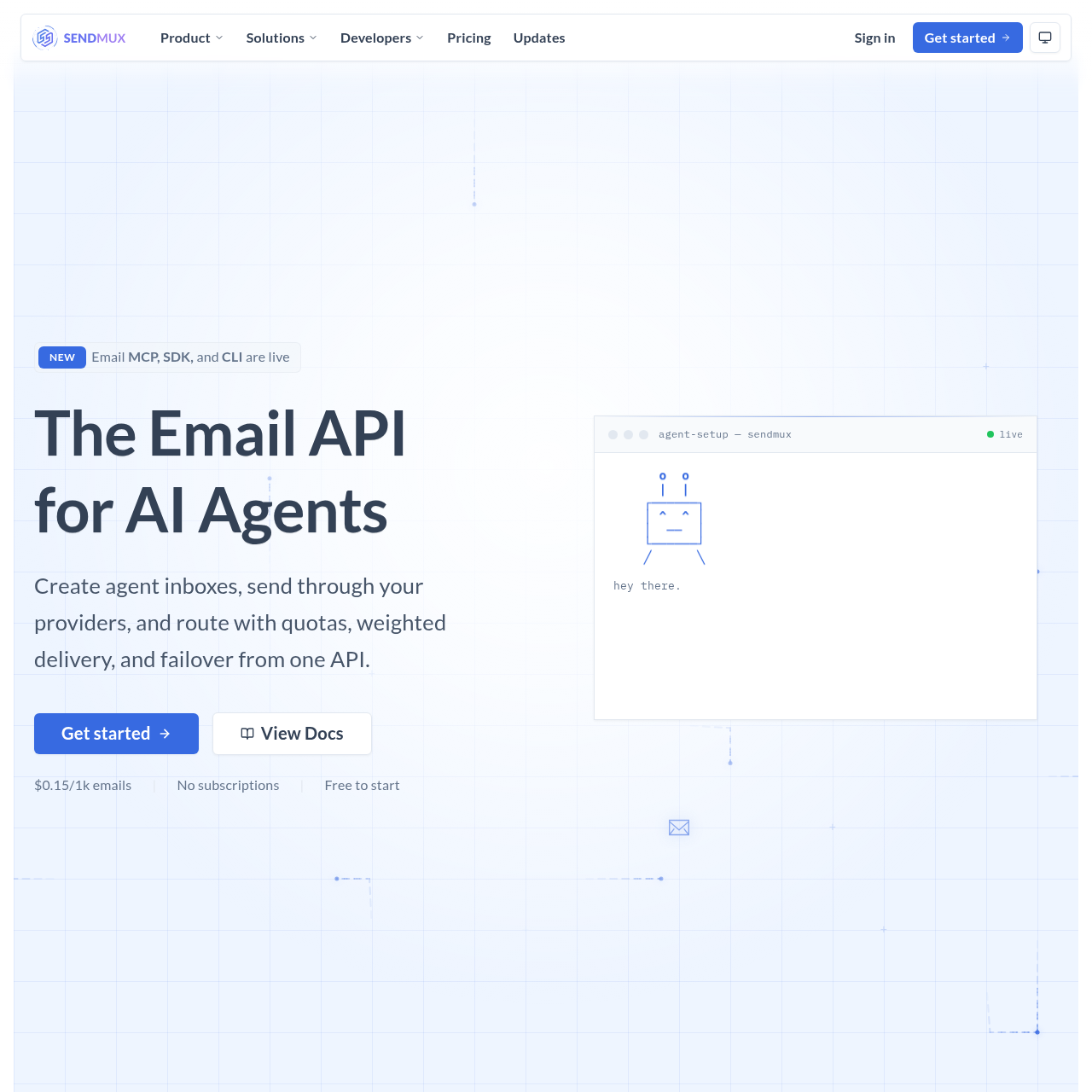
- 📤 SendMux review — bring-your-own-provider email with failover, $0.15 per 1,000.
- 📥 AgentMail review — fully managed agent inboxes with a generous free tier.
- ⚖️ SendMux vs AgentMail — which email API for agents should you pick?
🧩 Layer 5: The Memory (skills & extensions)
The last layer is what turns a general agent into a specialist that improves over time: reusable skills and tool integrations. Claude Agent Skills package a workflow once and load it on demand; MCP servers plug in external tools like search, databases, and APIs.
- 🧠 Claude Agent Skills: the complete guide — how SKILL.md and progressive disclosure work, where to find 30,000+ skills, and the security you can't skip.
How to assemble your stack
There's no single right answer, but a sensible, low-cost starting stack looks like this:
- Brain: a cheap open model (GLM 5.2 or Kimi K2) for routine work, with Claude Opus 4.8 on call for the hard tasks.
- Hands: OpenCode (free, model-agnostic) or Claude Code if you want the polished ecosystem.
- Eyes: Exa's free tier for live web search and research.
- Voice: AgentMail's free tier to give your agent an inbox, or SendMux if you already run your own providers.
- Memory: a few well-chosen Agent Skills and MCP servers for the specific jobs your agent does.
The beauty of a stack is that every layer is swappable. Start free, measure what matters, and upgrade only the layer that's holding you back. Browse the full AI tools directory to go deeper on any component.
Frequently Asked Questions
Recommended AI Tools
played.fm
Sell your music and keep 100%: played.fm is a direct-to-fan store + sync marketplace with 0% commission, no gatekeepers, and no bans — a strong fit for AI musicians.
View Review →OpenCode
The open-source AI coding agent: terminal-first TUI, 75+ model providers, LSP context, subagents, and privacy-first design. Free software, ~180K GitHub stars.
View Review →Exa
The neural web search API for AI agents: embeddings-based retrieval, cited highlights, sub-180ms latency, and an MCP server. 20,000 free requests/month.
View Review →Google Antigravity
Google's agent-first IDE: run a fleet of AI agents from a Manager surface, on Gemini 3 Pro, Claude Sonnet 4.5, or OpenAI models. Free in public preview.
View Review →