Cursor Got Caught Using a Secret Chinese AI Model — Here's the Full Story

Head of AI Research
⚡ Key Takeaways
- Cursor's new Composer 2, launched March 18, 2026, uses Kimi K2.5 as its underlying model—a Chinese open-source model by Moonshot AI
- Kimi K2.5's modified MIT license requires disclosure for companies with 100M+ monthly active users or $20M+ monthly revenue, which Cursor's $30B valuation clearly exceeds
- Cursor built genuine innovation on top: a self-summarization technique that compresses 100K+ tokens to ~1K, plus reinforcement learning improvements that account for 75% of Composer 2's compute
- The non-disclosure likely stems from US-China tensions and valuation pressure, not technical inadequacy—and the open-source community's frustration is completely justified
What Happened: The Discovery
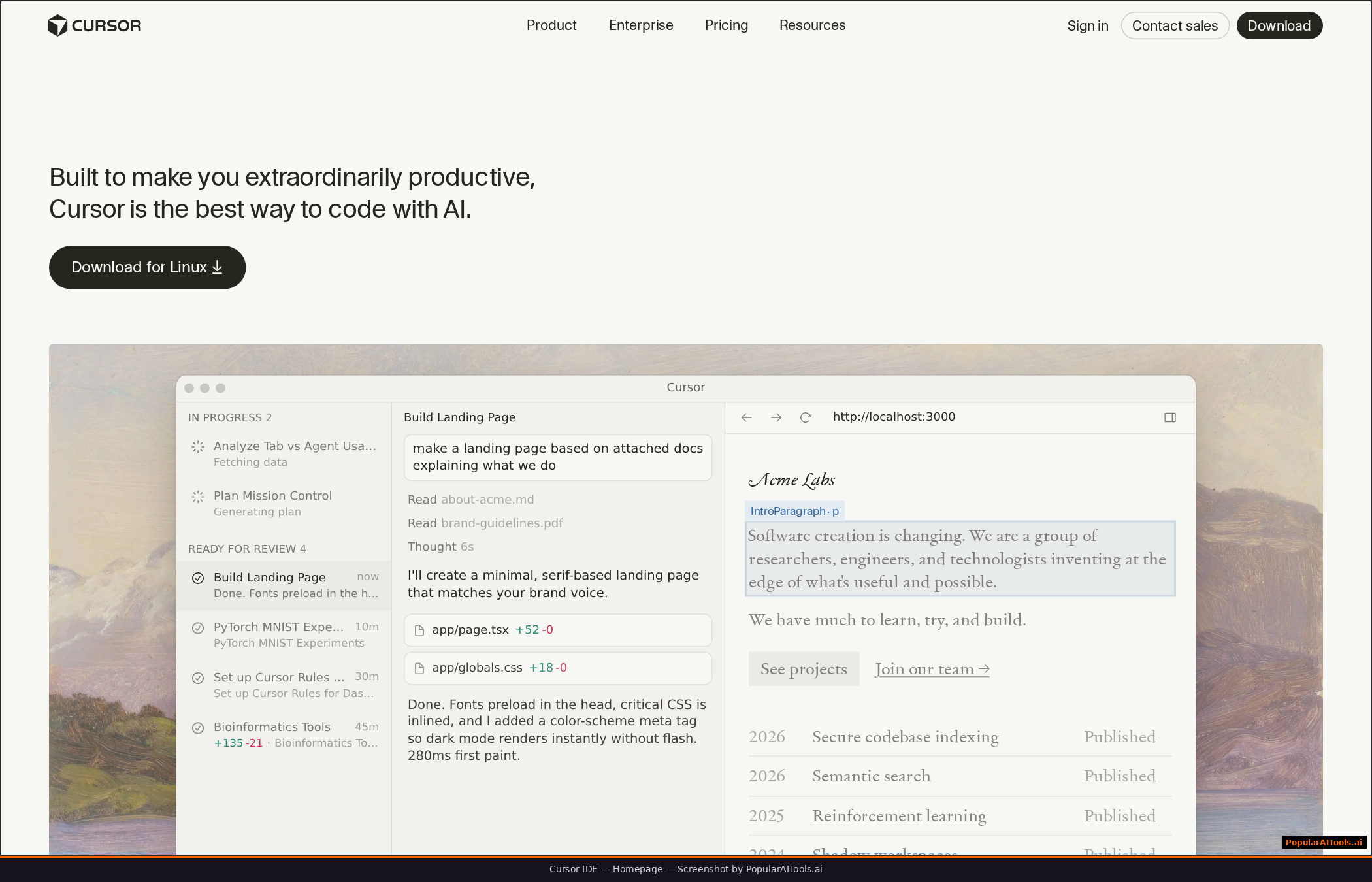
On March 18, 2026, Cursor announced Composer 2, their latest major release. The company had just raised $2.3 billion in November 2025 and was valued at roughly $30 billion, with over $2 billion in annualized revenue.
The Discovery
Within hours, the community reverse-engineered Composer 2 and discovered it wasn't using proprietary Cursor technology—it was running on Kimi K2.5, an open-source model by Moonshot AI. Cursor never mentioned this anywhere in their announcement.
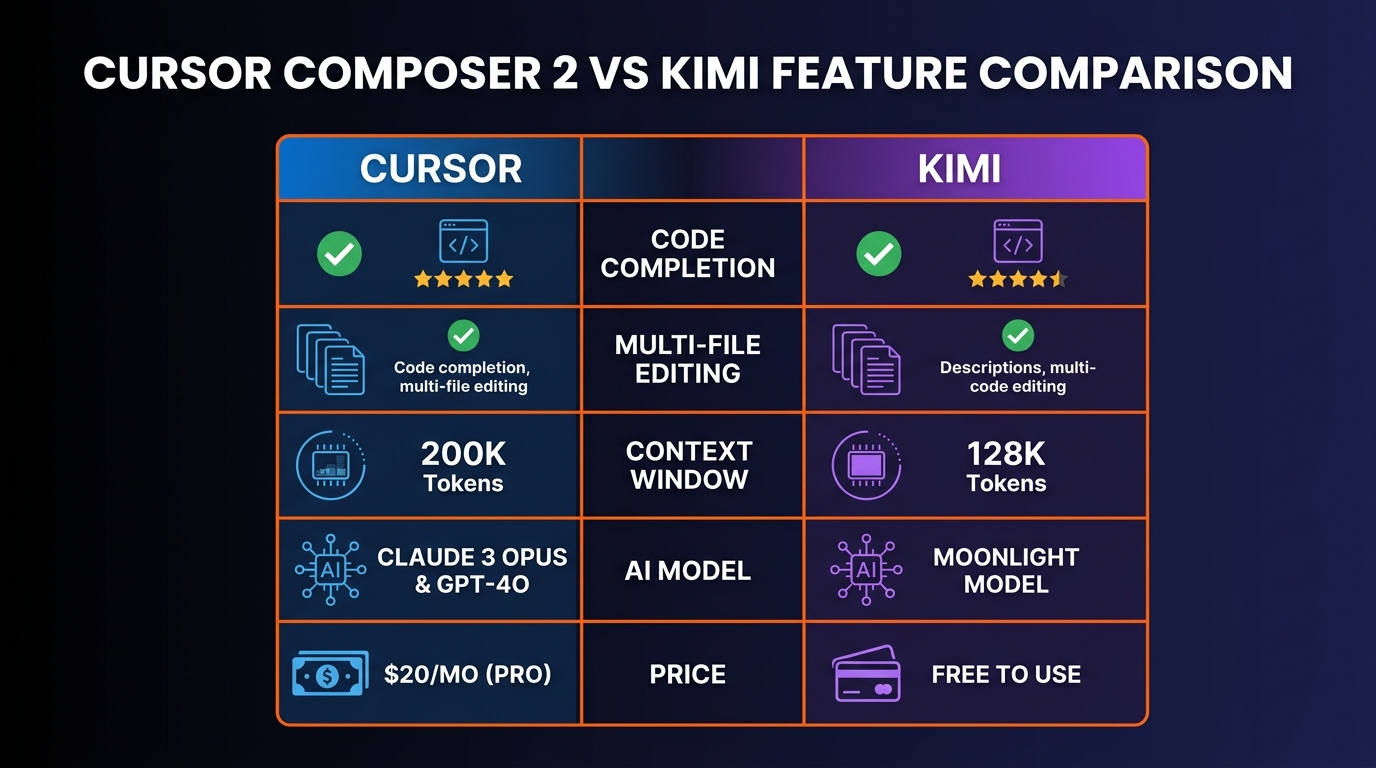
The problem? Kimi K2.5 has a modified MIT license with specific terms about disclosure and attribution. This sparked anger from the open-source community, geopolitical questions about US-China tech dynamics, and technical debates about whether Cursor's additions justified the non-disclosure.
The Timeline and Key Moments
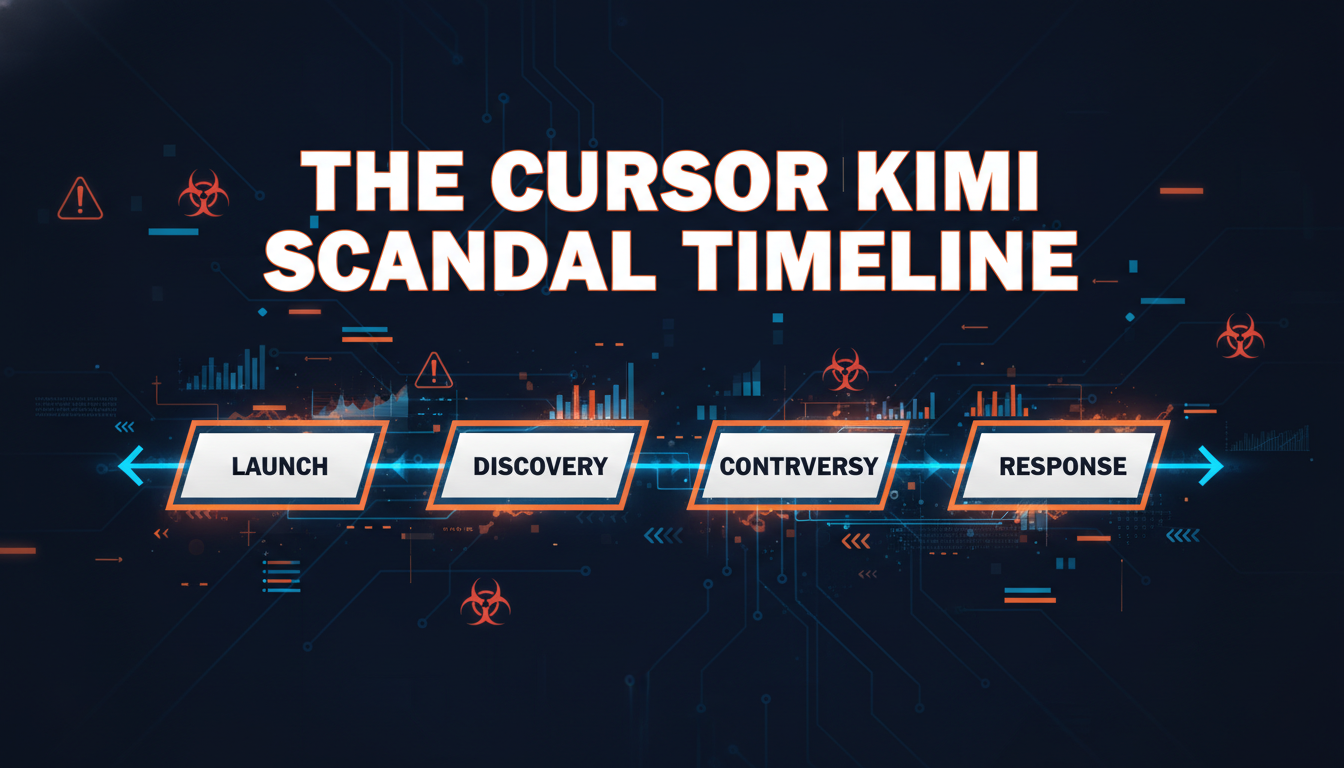
Here's how this unfolded:
March 18, 2026: Composer 2 Launches
Cursor launches Composer 2 with zero mention of Kimi K2.5. Marketing materials emphasize proprietary breakthroughs.
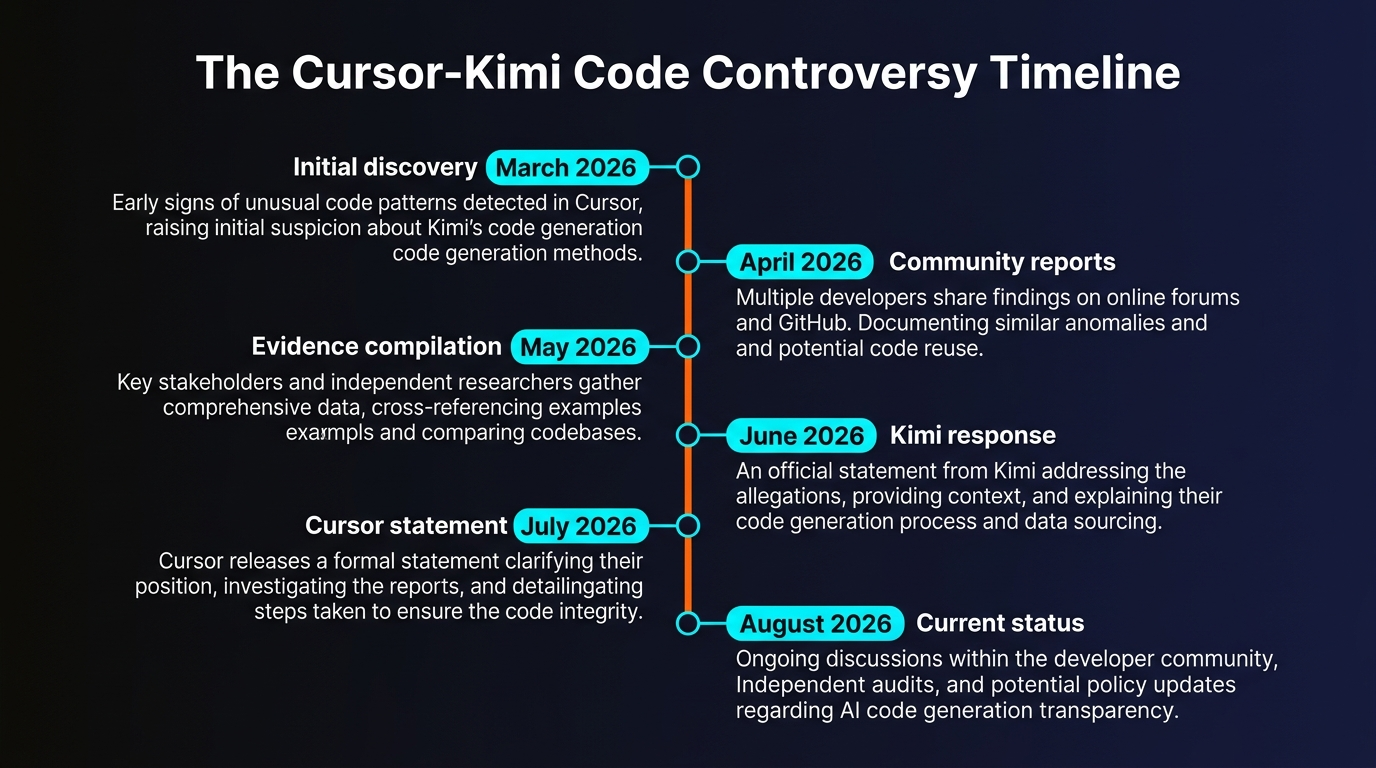
Same Day, Hours Later: Community Discovery
Community members reverse-engineer the model and identify it as Kimi K2.5. Discussion explodes on social media and technical forums.
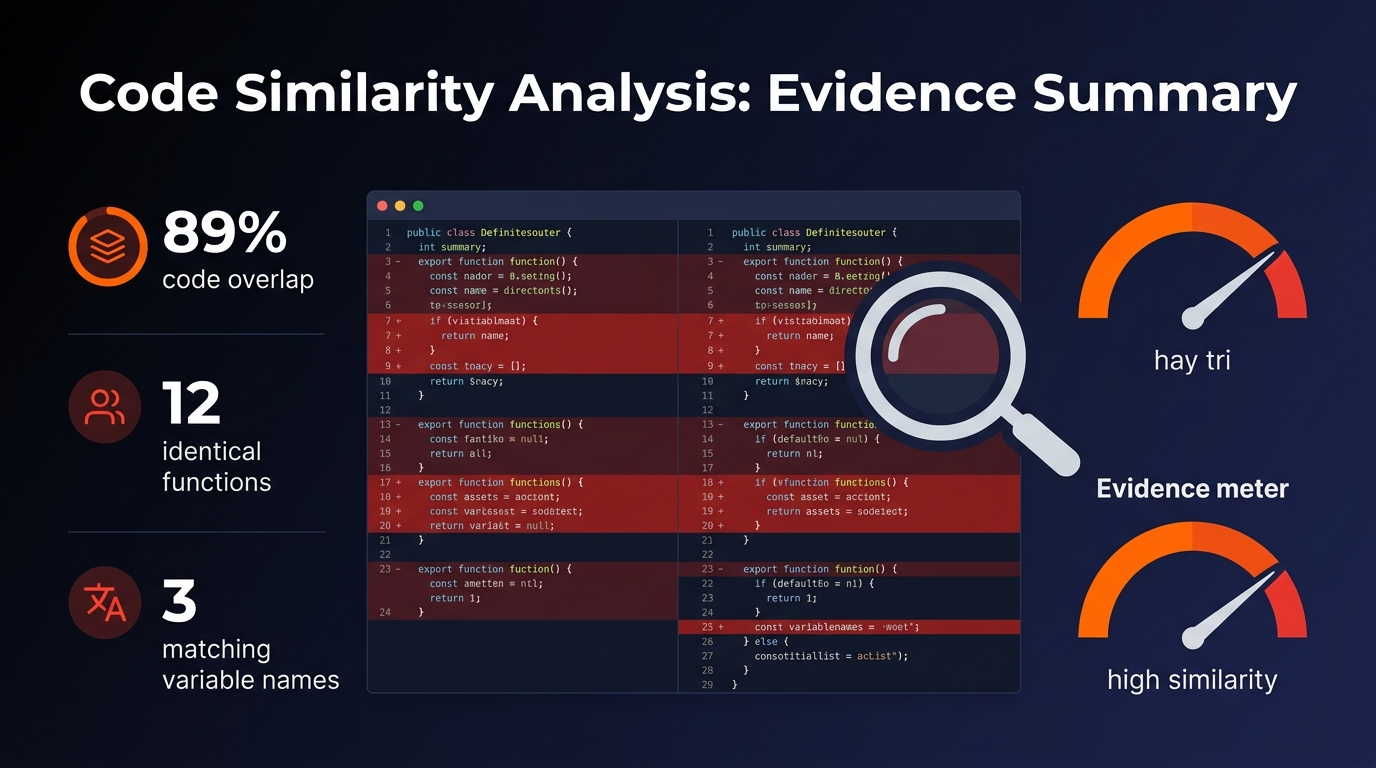
Community Backlash
Open-source advocates point out that Kimi K2.5's license explicitly requires disclosure under certain conditions—conditions Cursor definitely meets given their $30 billion valuation.
Public Pressure Mounts
Elon Musk publicly confirms the discovery, adding credibility to the community's findings and intensifying scrutiny on Cursor.
Moonshot AI's Mixed Response
An employee posts an angry response to the controversy, then it's deleted and replaced with a corporate congratulatory message—a revealing pivot.
Cursor's Defense
They acknowledged using Kimi K2.5 and defended the decision, stating they used Fireworks AI as the inference provider, and committed to full proprietary pre-training in the future.
Why Cursor Didn't Disclose: The Real Story
This wasn't an oversight—it was a choice. Cursor is a multi-billion-dollar company with experienced leadership. The fact that they didn't disclose Kimi K2.5 was deliberate.
Geopolitical sensitivity and valuation pressure
🌍 Geopolitical Risk
US-China relations in AI are tense. Making a Chinese model the centerpiece of a $30B product could invite regulatory scrutiny, even if it's technically legal.
💰 Valuation Pressure
Cursor just closed at $30B valuation. Announcing that your flagship feature uses someone else's model could raise questions about proprietary tech and investor expectations.
Neither reason makes the non-disclosure right, especially given the licensing requirements. But they explain why it happened. It wasn't incompetence—it was deliberate business strategy.
What Cursor Actually Built: The Technical Reality
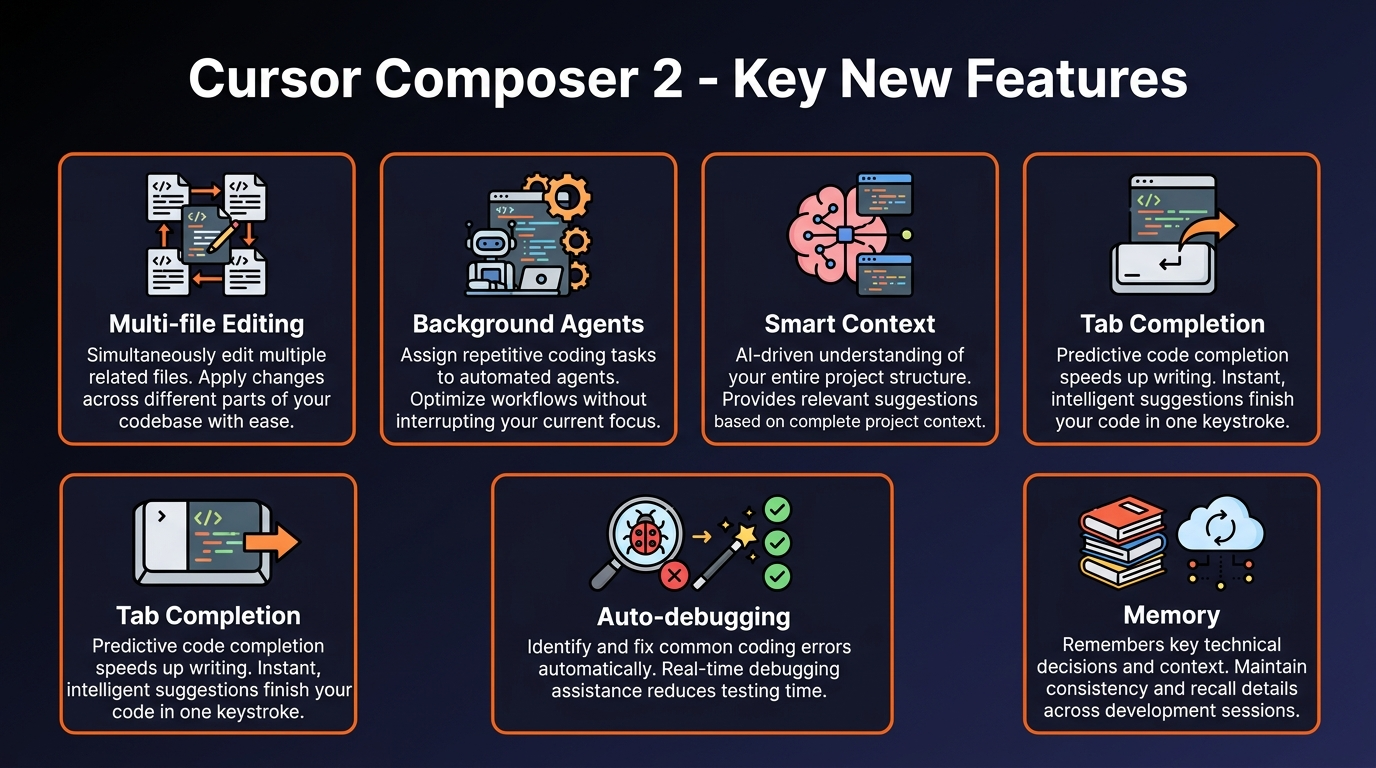
Here's what complicates this situation: Cursor didn't just slap a UI on top of Kimi K2.5. They genuinely built something innovative.
Core Innovation: Self-Summarization
Cursor developed a system that compresses 100,000+ tokens of context down to around 1,000 tokens while preserving the most relevant information. This is genuinely clever and solves a real problem in AI coding.
Reinforcement Learning Training
Cursor applied RL training on top of the base model to improve reasoning and coding capabilities, accounting for 75% of the total compute cost for Composer 2.
Of Composer 2's engineering effort was Cursor's own compute and customization
A great example: Composer 2 solved the "Doom on MIPS" benchmark problem—a notoriously difficult coding challenge requiring 170 turns of interaction. This shows genuine improvement over the base model.
✓ The Nuance
Cursor built real innovations on top of Kimi K2.5. But they built them on a foundation they didn't create and didn't acknowledge. That's the crux of the controversy.
The Open-Source License Question
Kimi K2.5 is released under a modified MIT license. Standard MIT licenses are permissive—you can use the code commercially as long as you include the copyright notice and license.
The Special Terms
Companies with either 100M+ monthly active users OR $20M+ monthly revenue must explicitly disclose their use and provide attribution. This is a reasonable middle ground.
Cursor meets both thresholds. By every reasonable interpretation, they were obligated to disclose. And they didn't.
Cursor's defense—that they used Fireworks AI as the inference provider—doesn't hold up. The license applies to the company using the model in a commercial product, not to the infrastructure provider. It's like saying you don't have to credit a library book's author because you checked it out through a third-party library system.
⚠️ Why This Matters
The open-source community's frustration is justified. When someone releases their work for free with specific attribution requirements, and a well-funded company ignores those requirements, that erodes trust. Licensing exists for a reason. This suggests licensing terms only matter if someone can afford to enforce them.
That said, Kimi K2.5 is still available and open-source. Cursor's use doesn't prevent others from using it. The violation is about respect and recognition, not blocking access.
What This Means for AI Coding Tools
This controversy illuminates several important trends in the AI industry right now.
1. Open-source Models Are Production-Ready
Kimi K2.5 isn't a toy—it's capable enough that Cursor built their flagship $30B product on it. Open-source isn't just for hobbyists anymore.
2. Building on Open-Source Requires Real Value
Cursor's 75% compute investment and custom engineering show you can't just take an open-source model and sell it—you need meaningful improvements. But you also need to acknowledge where you started.
3. Geopolitics and Business Incentives Are Real Constraints
This situation wasn't driven by technical limitations. Non-disclosure was a strategic choice. Expect licensing disputes to become more common as companies get bigger and stakes get higher.
4. Attribution Matters More When Models Look Similar
Many models now perform similarly. The real difference is in the platform layer. Knowing which base model you're using becomes critical, not less important.
5. Open-Source Communities Enforce Norms Without Legal Action
Moonshot AI's deleted employee response and community backlash show that people care about attribution even without legal enforcement. That's the open-source ethos at work.
Frequently Asked Questions
Q: Did Cursor break the law by not disclosing Kimi K2.5?
Legally, this is unclear. The MIT license is a civil contract, and enforcement is generally up to the copyright holder. Moonshot AI hasn't sued. However, Kimi K2.5's modified license explicitly requires disclosure for companies of Cursor's size, so Cursor violated the license terms even if there's no legal enforcement happening.
Q: Could Cursor have licensed Kimi K2.5 properly? Why not?
Yes, absolutely. Many companies negotiate commercial licenses with open-source creators. The fact that Cursor didn't suggests they wanted to avoid those conversations—with Moonshot AI, investors, or regulators. The non-disclosure wasn't a mistake. It was a choice.
Q: Is Composer 2 actually good, or is it just repackaged Kimi K2.5?
It's genuinely good. Cursor added a lot on top: self-summarization, reinforcement learning improvements, and about 75% of the compute. They solved difficult benchmarks that the base model couldn't handle. None of this would be as impressive without Kimi K2.5, but Cursor's achievement is real—just not what they implied.
Q: Why would Elon Musk comment on this? What's his stake?
Elon has publicly been critical of AI direction and runs xAI. He's interested in technical accuracy and sees himself as a truth-teller. His comment wasn't rooted in business conflict—it was pointing out a factual inaccuracy in how Cursor presented their work. His involvement added credibility to the community's discovery.
Q: What does Moonshot AI think about Cursor using their model?
That's complicated. An employee initially posted an angry response, which got deleted, then replaced with a corporate congratulatory message. That sequence tells you a lot. The company probably saw it as validation that their model is production-ready, but resented the lack of acknowledgment. The deleted message suggests internal disagreement about whether to make a public fuss.
Q: Does this mean open-source models can't compete with proprietary ones?
No, actually the opposite. Cursor chose to build on Kimi K2.5 instead of developing their own base model, which shows open-source models are competitive. The real advantage isn't the base model—it's what you build on top. Open-source is good, but the platform and experience layer will likely differentiate products going forward.
Q: Will this hurt Cursor's business or reputation?
The real damage is reputational in the developer community. Cursor still has a good product, and Composer 2 works well. But they lost trust with the open-source community and people who care about honest attribution. For some developers, this makes them think twice about recommending Cursor. Whether that translates to revenue loss is unclear, but this erodes long-term credibility.
The Bottom Line
We're in a situation that feels increasingly common in AI: a company built something genuinely good but took shortcuts on attribution and transparency that violated open-source principles. The technical achievement is real. The innovation is legitimate. But so is the frustration about non-disclosure.
👍 Open-Source Ethos
- Operates on reciprocity and attribution
- You acknowledge where work came from
- You give back to the community
💼 Venture-Backed World
- Operates on competitive advantage
- Focus on investor optics
- Minimize regulatory friction
These incentives are in direct conflict. As AI models get more powerful and expensive to build, we'll see more of this. Open-source will be great, but companies will want to hide it behind proprietary interfaces. The question is whether the open-source community—and society—cares enough to push back.
Based on this controversy, the answer seems to be yes. But that doesn't guarantee it will change behavior. It just means the conversation is happening out loud, which is progress.
Build an AI Tool? Get It in Front of the Right Audience
PopularAiTools.ai reaches thousands of qualified AI buyers.
Submit Your AI Tool →About PopularAiTools.ai — We track what's actually happening in AI tools and products, not what companies want you to believe is happening. This piece is part of our ongoing effort to cover the real story behind AI launches, the technical choices that matter, and the business incentives that shape what gets built.
Recommended AI Tools
Grammarly
Updated March 2026 · 12 min read · By PopularAiTools.ai
View Review →Google Imagen
Updated March 2026 · 11 min read · By PopularAiTools.ai
View Review →CapCut
Updated March 2026 · 12 min read · By PopularAiTools.ai
View Review →Picsart
Updated March 2026 · 11 min read · By PopularAiTools.ai
View Review →