Why OpenAI Is Losing the AI Race in 2026 — And Who's Winning Instead

Head of AI Research
⚡ Key Takeaways
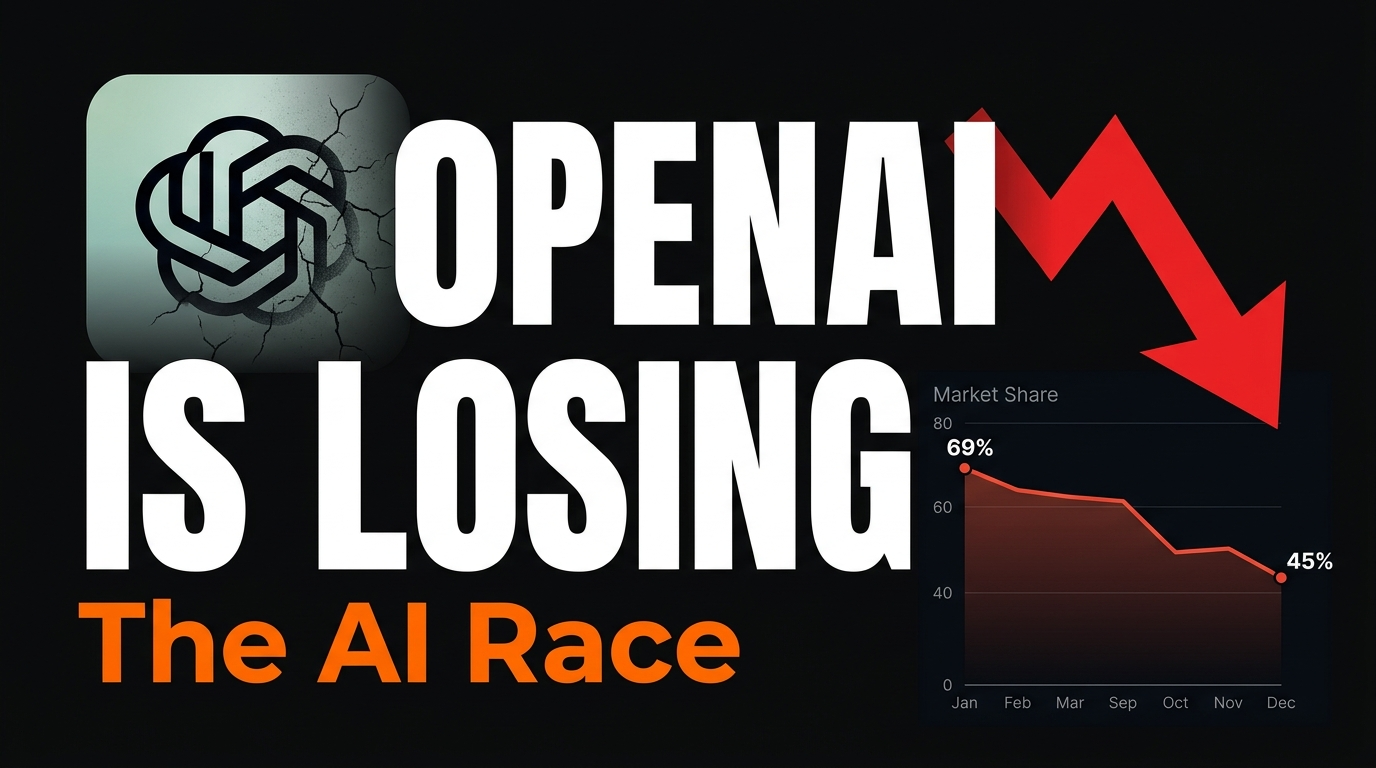
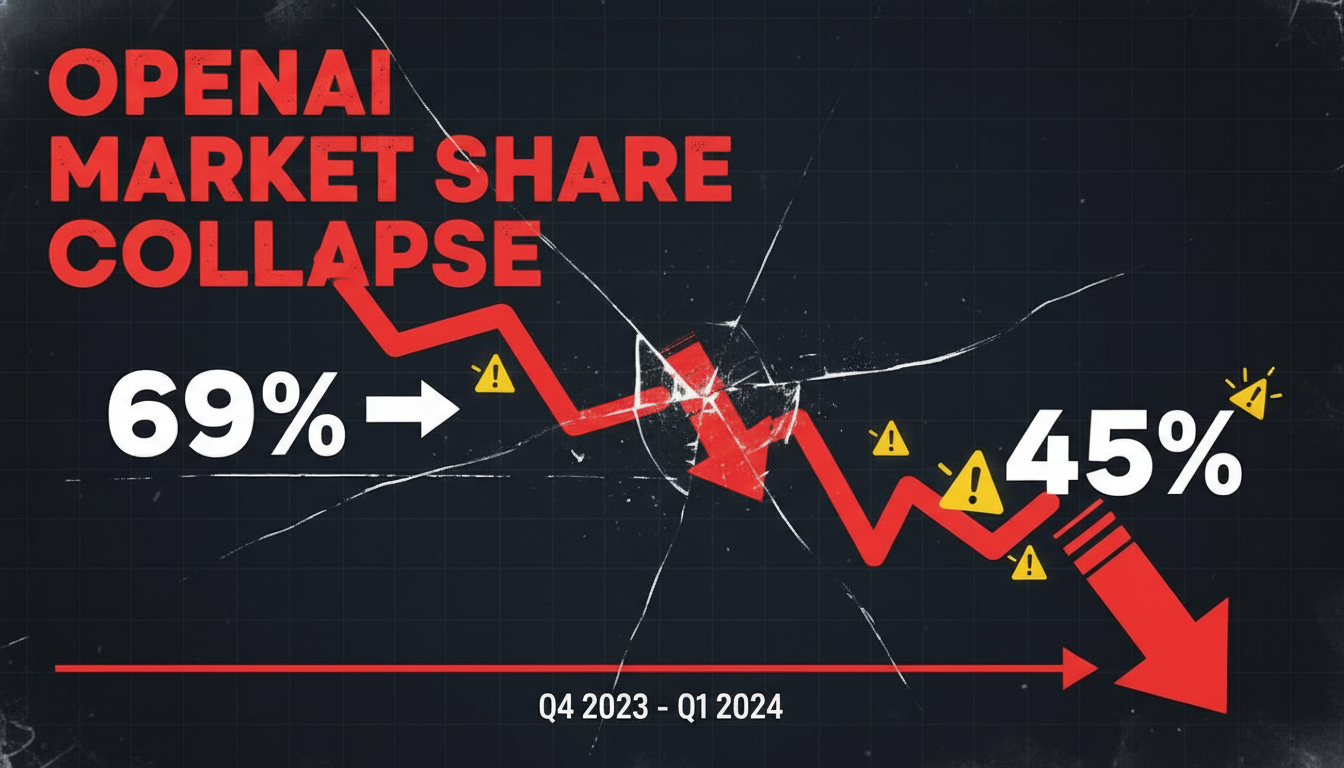
- OpenAI's ChatGPT market share collapsed from 69% (January 2025) to 45% (January 2026) amid strategic failures and bad PR
- The company faces $14 billion in projected losses for 2026 and is hemorrhaging top talent to competitors
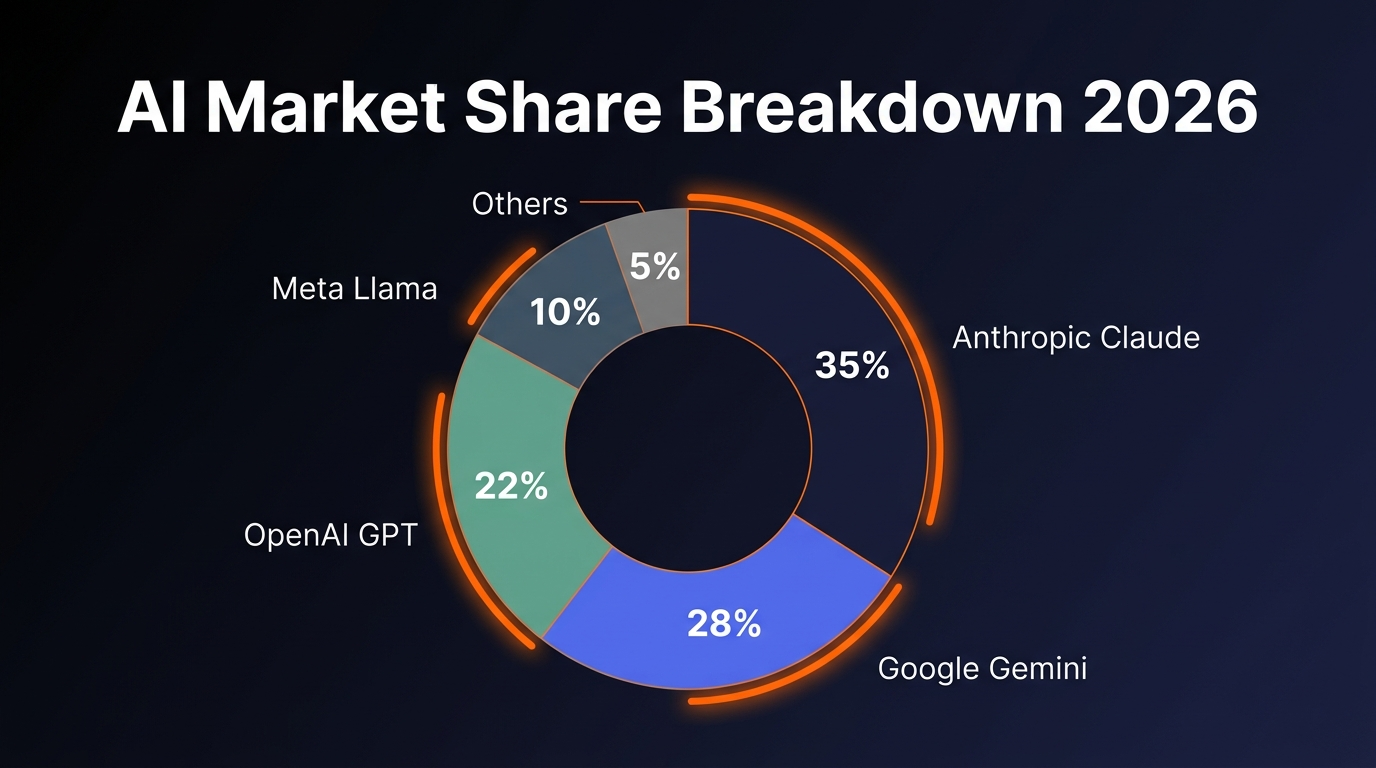
- Anthropic has captured enterprise customers, growing 10x year-over-year with 8 of the top 10 Fortune 100 companies
- Google transformed Gemini from a side project into a legitimate platform with 750M monthly active users and 25% app market share
The "Code Red" Moment: When Sam Altman Realized the Game Was Over
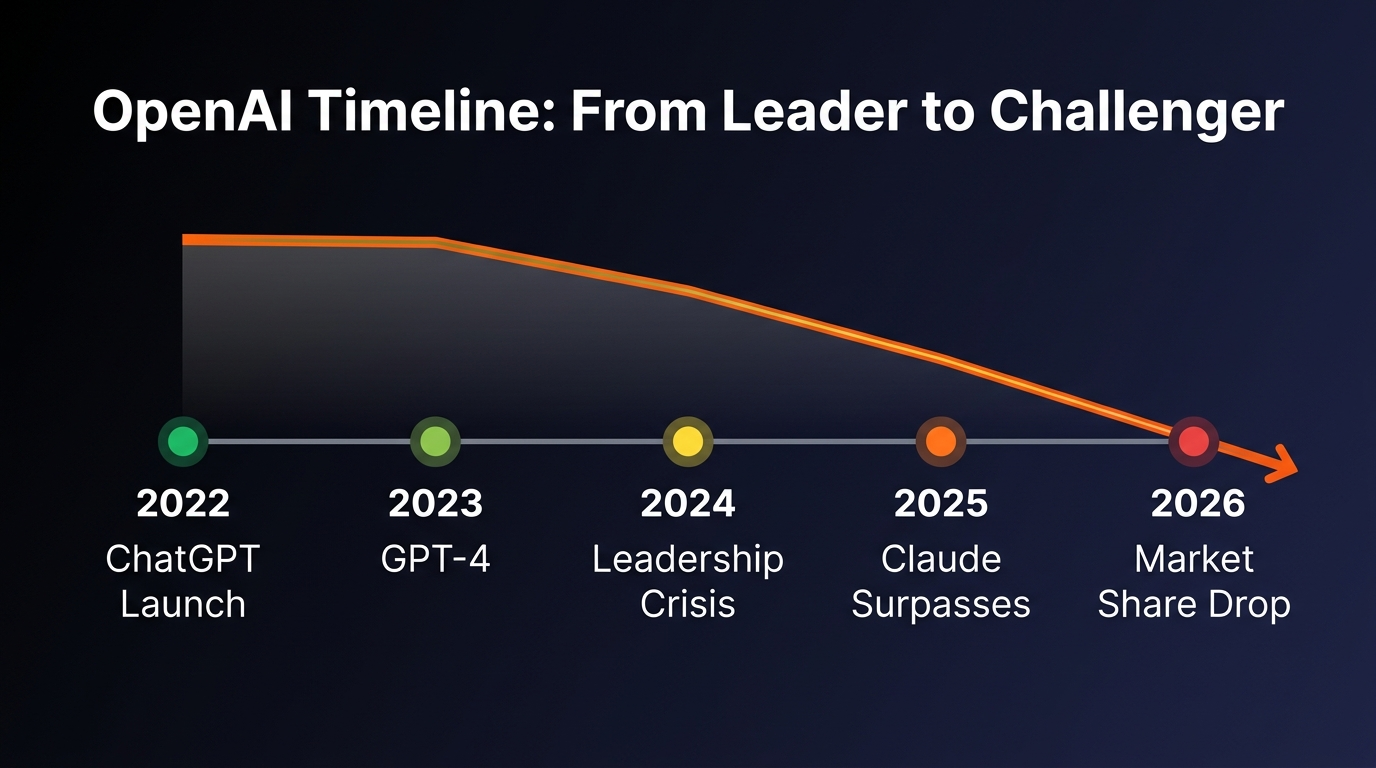
In December 2025, Sam Altman sent a memo marked "code red." The company that created ChatGPT was sounding alarm bells internally because the world outside had moved on.
Competitors weren't nipping at their heels anymore—they were lapping them. By the end of 2025, the market had fundamentally shifted, and OpenAI was scrambling to explain why they were no longer the obvious choice.
The Real Problem
That "code red" memo wasn't about technical innovation. It was about something far more fundamental: OpenAI had lost control of the narrative and, more importantly, had lost the trust of enterprises and their own talent.
Just one year prior, in January 2025, the conversation wasn't even close. ChatGPT had 69% of the market. OpenAI seemed unbeatable. Then, within twelve months, everything changed.
ChatGPT's Market Share Freefall
When you go from controlling nearly 70% of a market to controlling 45%, you don't have a "market correction"—you have a rout. Numbers don't lie.
ChatGPT market share collapse in 12 months (Jan 2025 to Jan 2026)
That 24-point drop is staggering. It didn't happen because ChatGPT got worse—it happened because the competition got much better, and because OpenAI made decisions that actively pushed users away.
The Pentagon Catalyst
When OpenAI announced a defense partnership, the pushback was severe and immediate. Major organizations reacted with such intensity that many simply deleted ChatGPT and moved elsewhere. This wasn't gradual migration—it was an exodus.
But that exodus only worked because the alternatives had matured. By early 2026, users had multiple compelling options. The market share loss tells you that users were finally looking for a reason to leave and had a good enough alternative at the same time.
The Financial Picture: $14 Billion in Losses
When you lose market dominance, your unit economics break down. OpenAI's business model depends on spreading cloud infrastructure costs across millions of profitable users.
Projected losses for OpenAI in 2026
Why Costs Stay High
- Infrastructure must be maintained
- Salaries must be paid
- Research must be funded
The Compounding Problem
- Talent exodus reduces productivity
- Institutional knowledge walks away
- Cost per remaining employee rises
The $14 billion loss projection isn't a sign of wastefulness—it's proof that strategic bets haven't paid off in a market where OpenAI is no longer the default choice.
Anthropic: The Quiet Enterprise Takeover
While OpenAI dealt with public backlash, Anthropic was doing something much smarter: they were building the thing enterprises actually wanted.
Anthropic went from being ChatGPT's scrappy challenger to being the vendor that eight of the ten largest companies in America build their AI strategy around.
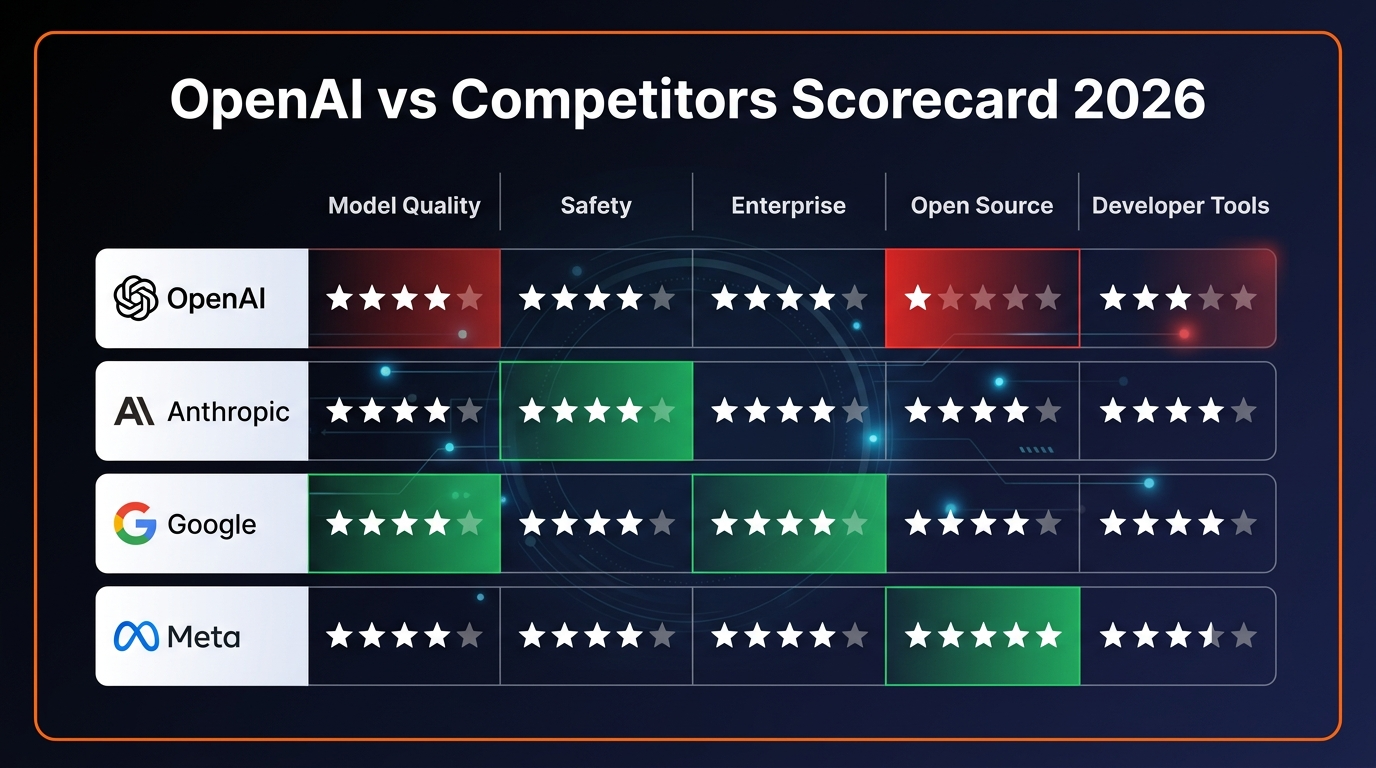
Why Enterprises Chose Anthropic
It's not because Claude is technically superior. It's because Anthropic understood something OpenAI forgot: reliability, consistency, and trustworthiness matter more than flashiness.
Built for Scale
Enterprises want models they can deploy at scale without waking up to PR disasters.
Safety-First Positioning
Anthropic made safety and interpretability central to their brand positioning.
Focused Strategy
They didn't try to own every market—they owned the one that mattered most: where companies write checks.
OpenAI built ChatGPT, which was a miracle of product design. But Anthropic built an enterprise AI company, which is a fundamentally different beast.
Google's Platform Play: From Follower to Platform Owner
While Anthropic was quietly becoming the enterprise standard, Google was doing something even more ambitious: they were turning the foundation everyone else built on into something owned by Google.
Gemini monthly active users in one year
That's not a sideline product anymore—that's a major platform. The market share numbers tell the same story:
Gemini's share of AI app market in 12 months
The Embedding Layer Matters
In March 2026, Google released Gemini embedding 2. Embeddings are how everyone else's AI applications work—they're the foundational infrastructure layer that sits between data and language models.
When Google controls the embedding layer, they're not just competing in the AI market—they're setting the rules of the game for everyone else. OpenAI used to own that game. Now they're playing in Google's house.
This is classic Google: embrace the thing everyone builds on, own it, and suddenly everyone else builds on Google infrastructure. It's what they did with Android and Chrome. Now they're doing it with AI foundations.
Strategic Difference
Anthropic is building a world-class product for enterprises valuing independence. Google is building the infrastructure layer that makes independence increasingly expensive. OpenAI is caught in the middle.
The Talent Drain and Morale Problem
Key executives have left OpenAI, and more are likely to follow. This doesn't show up in quarterly reports but will absolutely determine the company's future.
Why The Exodus Matters
AI companies live or die on talent. You can't outsource AI research or hire it on demand. When rare, highly skilled researchers start leaving, everyone knows it signals that the company's challenges are real and the competitive disadvantage is compound.
🔴 At OpenAI
- Key talent leaving
- Institutional knowledge lost
- Remaining team stretched
- Morale signals deterioration
🟢 Competitors
- Anthropic hiring aggressively
- Google profits from AI research
- Both are winning stories
- Talent votes with their feet
OpenAI can't fix this by paying more money. They have to become a company that looks like a winner again, and that's not something you accomplish in six months.
What This Means for Developers and Users
For the last two years, the default choice was obvious: use OpenAI. Building on them was the safe choice because everyone else was doing it. That's no longer true.
For Enterprise Software
Anthropic's models are increasingly the default choice because they have trust and relationships with Fortune 500 companies. Their models are specifically designed to be reliable and interpretable, which matters in regulated industries.
For Embeddings & Search
Google's Gemini embedding 2 is increasingly sensible because it's owned by the company that owns 90% of search infrastructure. Why build on OpenAI's embeddings when Google's are improving faster and are cheaper?
For Consumer Apps
ChatGPT remains very capable, and OpenAI's consumer brand is still strong. But the days of superiority are over. You can now choose based on cost, latency, performance, and brand fit rather than assuming ChatGPT is the only option.
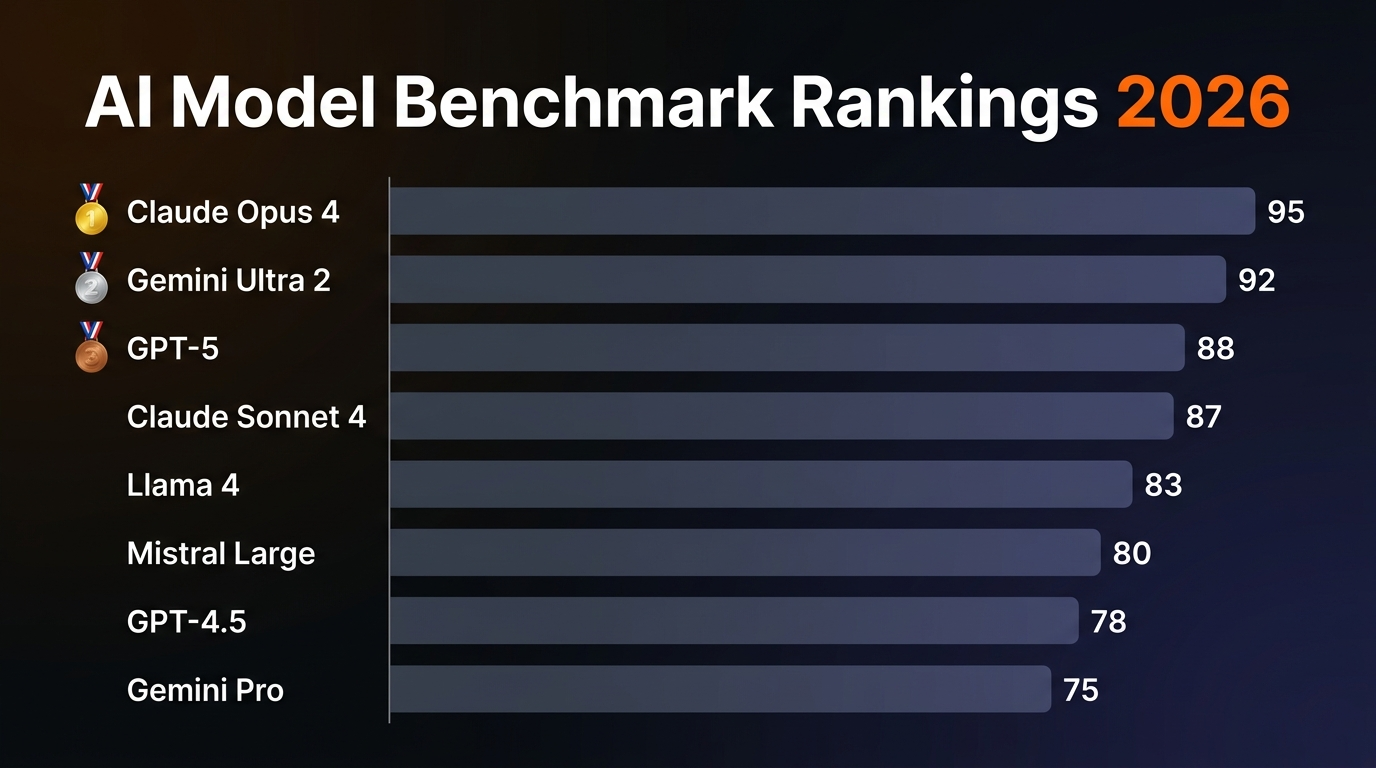
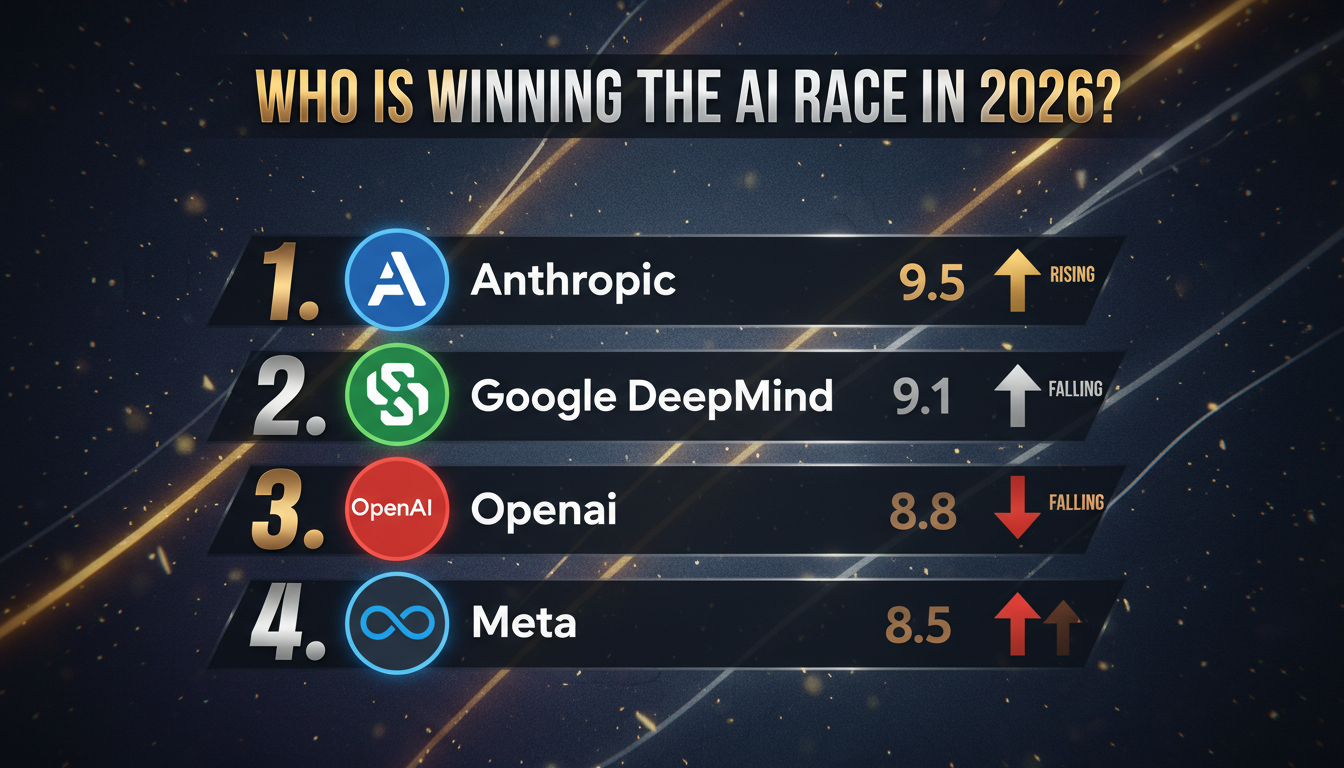
For users, this is good news. Competition drives innovation, reduces prices, and increases choices. The era of OpenAI's monopoly-like dominance is ending, and that's healthy for the market.
For OpenAI specifically, it means they've moved from "default choice" to "good choice among several options." That's a brutal demotion for a company that just a year ago seemed destined to own AI forever.
Frequently Asked Questions
Q: Is OpenAI going out of business?
No, but they're facing the most serious challenge since ChatGPT launched. The projected $14 billion loss in 2026 is real and unsustainable, but OpenAI has Microsoft's backing and a massive user base. What's more likely is restructuring, layoffs, and a shift toward profitability. The company isn't dead, but the era of unchallenged dominance is clearly over.
Q: Why did the Pentagon contract cause such a massive backlash?
The partnership triggered concerns about OpenAI's nonprofit mission and alignment with AI safety values. Users saw the military application as a betrayal of founding principles. But the Pentagon contract was a symptom of a deeper issue: OpenAI was losing trust because their strategic direction no longer aligned with what their core audience believed in.
Q: Is Anthropic really 10x bigger than a year ago?
In terms of revenue run rate, yes. The $20 billion revenue projection for early 2026 represents extraordinary growth, particularly for an AI company. This growth was driven by winning enterprise customers who were previously using OpenAI. The enterprise market moved faster toward Anthropic than anyone expected.
Q: Does this mean I should stop using ChatGPT?
Not necessarily. ChatGPT is still very capable and has the best consumer user experience. However, if you're building something new or making long-term bets, it's worth evaluating alternatives. For consumers, ChatGPT's brand strength and ease of use remain compelling. For enterprises and developers, other options have legitimate advantages now.
Q: What does Gemini embedding 2 actually do?
Embeddings are how AI systems understand text and similarity—they convert words into numbers that capture meaning. Gemini embedding 2 is Google's latest version, which is faster, cheaper, and more accurate. By controlling this layer, Google influences what applications are built and what models perform well within the Google ecosystem.
Q: Could OpenAI recover from this?
Technically yes, but it would require: (1) releasing a genuinely better model that justifies pricing, (2) rebuilding trust with users and talent, (3) getting financial losses under control, and (4) avoiding further PR disasters. That's a tall order. More likely, OpenAI stabilizes at a smaller-but-profitable company rather than recovering to market dominance.
Q: Is Google going to own all of AI?
Google is positioning itself to own the infrastructure layer (embeddings, foundation models, cloud compute) that everyone else builds on—a different and more durable position than owning the "best AI product." It's the classic Google playbook: own the layer everyone depends on. Whether they succeed depends on whether competitors can build viable alternatives, which is historically difficult once one player dominates.
The Spark vs. the Fire
OpenAI created the spark that ignited the AI revolution. ChatGPT was genuinely revolutionary, making AI accessible to billions and creating an entirely new category of software.
But creating a spark and controlling the fire are two completely different things. OpenAI created conditions for an explosion of AI innovation, but they didn't own the explosion, the infrastructure, or enterprise relationships. They owned one very popular product.
Anthropic's Play
Built an engine for enterprise AI that now powers some of the world's largest companies.
Google's Play
Positioned itself to own the infrastructure layer that makes AI possible.
OpenAI's Play
Made strategic decisions that pushed away their user base.
The question isn't whether OpenAI will go out of business. It's whether they'll spend the next decade trying to rebuild what they lost, or accept a smaller role in an AI ecosystem that no longer revolves around them.
When you go from 69% to 45% market share in a year, that's not a market correction.
That's a regime change.
Build an AI Tool? Get It in Front of the Right Audience
PopularAiTools.ai reaches thousands of qualified AI buyers.
Submit Your AI Tool →Recommended AI Tools
Grammarly
Updated March 2026 · 12 min read · By PopularAiTools.ai
View Review →Google Imagen
Updated March 2026 · 11 min read · By PopularAiTools.ai
View Review →CapCut
Updated March 2026 · 12 min read · By PopularAiTools.ai
View Review →Picsart
Updated March 2026 · 11 min read · By PopularAiTools.ai
View Review →