Top 5 NEW Claude Code Skills That Will Transform Your Business (2026)

AI Infrastructure Lead

Key Takeaways
- Graphify turns codebases into queryable knowledge graphs — up to 70x cheaper than raw context scanning
- Firecrawl reshapes messy HTML into AI-ready structured data, saving 80% on tokens from web scraping
- NotebookLM Skill gives you a personal research team at $0 cost — 300+ sources, programmatic queries
- Awesome Design MD is a library of 68 brand design systems from Apple to Lamborghini, ready to paste and ship
- Claude Code Router swaps the model brain behind Claude Code — up to 88% cheaper using Kimi K2.6 for simple tasks
Table of Contents
If you're building an AI-powered business in 2026, you already know that Claude Code skills are the secret weapon separating people who burn money on tokens from people who actually turn a profit. The raw power of Claude Code is extraordinary, but without the right skills plugged in, you're essentially driving a Formula 1 car in first gear.
These five skills address the biggest pain points in the Claude Code ecosystem right now: expensive token consumption, messy web data, manual research bottlenecks, ugly default designs, and paying premium prices for tasks that don't need premium models. Stack them together and the savings compound dramatically.


1. Graphify — Knowledge Graphs for Your Codebase
Think of your codebase as a city. Every file is a station, every import is a subway line, and every module is a neighborhood. When you start a new Claude Code session, the model has to walk the streets door by door to find what it needs. That's expensive — especially on large projects with hundreds of files.
Graphify, inspired by Andrej Karpathy's approach to LLM knowledge bases, changes everything. It turns any codebase into a queryable knowledge graph where Claude rides the subway lines directly to what it needs instead of scanning every file. The result? Up to 70x cheaper queries on your codebase.
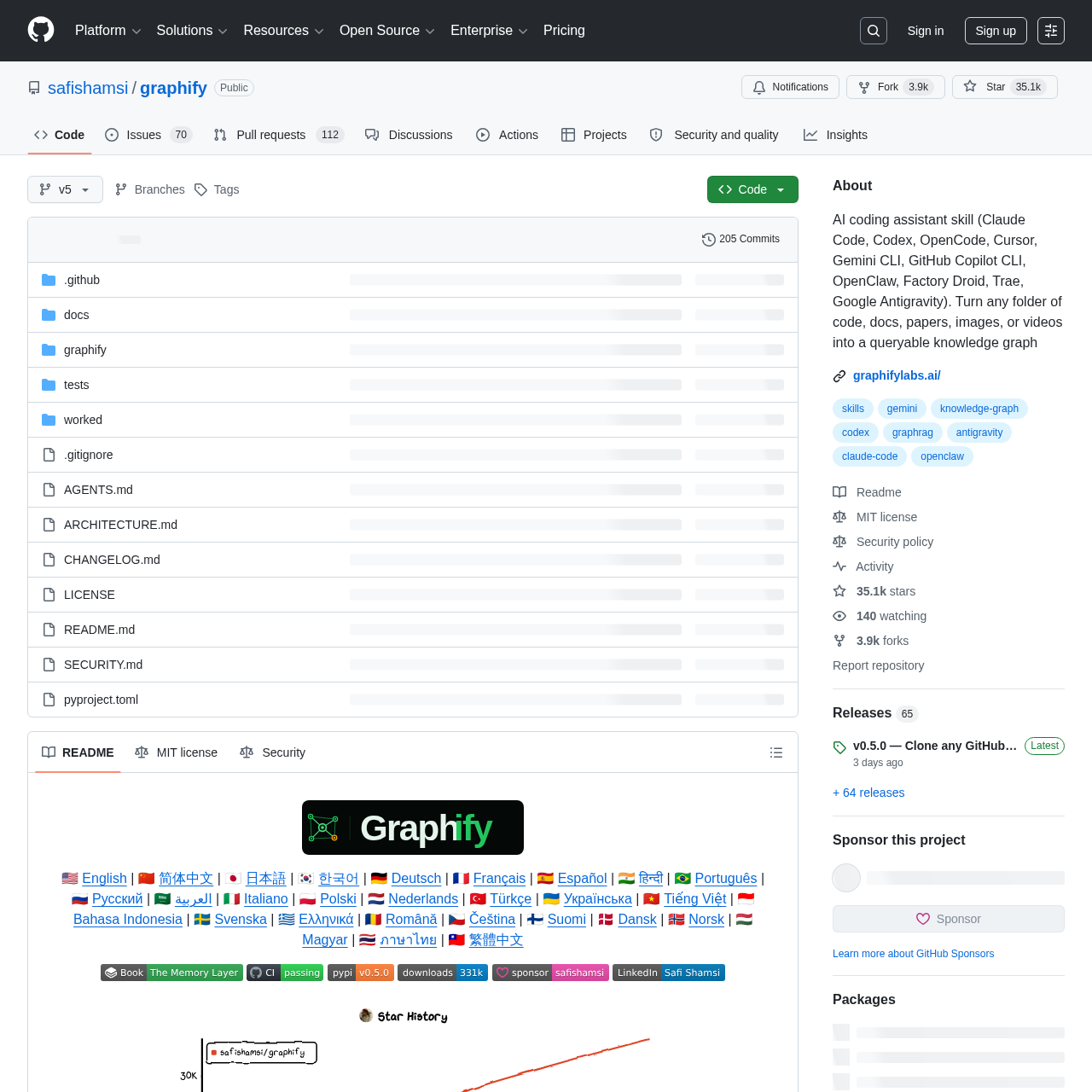
What makes Graphify especially powerful is its scope. It works across 25+ programming languages, handles multimodal inputs (PDFs, audio files transcribed via Whisper), and creates what are called "guard nodes" — the Grand Central Stations of your codebase that connect to the most files. When Claude queries the graph, it hits these guard nodes first and navigates outward, slashing the token overhead.
Setup: Clone the Graphify repo into your project, then activate with /graphify. Best for repos with 500+ files — below 30 files, the graph-building overhead can outweigh the savings.
FLASHCARDS Test Your Knowledge: Graphify & Firecrawl
2. Firecrawl — AI-Ready Web Scraping That Saves 80% on Tokens
The web is HTML soup. Ads, cookie banners, infinite scrolls, JavaScript hydration that loads half the content — when your AI agent tries to scrape a website, it's swimming through noise. Every byte of that noise costs you tokens, and scraping is a core part of any serious AI automation pipeline.
Firecrawl acts as a strainer. It reshapes any URL into clean, structured data that AI can actually use. Instead of feeding Claude raw HTML full of nav bars and footer scripts, Firecrawl extracts the content that matters. The token savings? Up to 80% compared to raw HTML scraping.
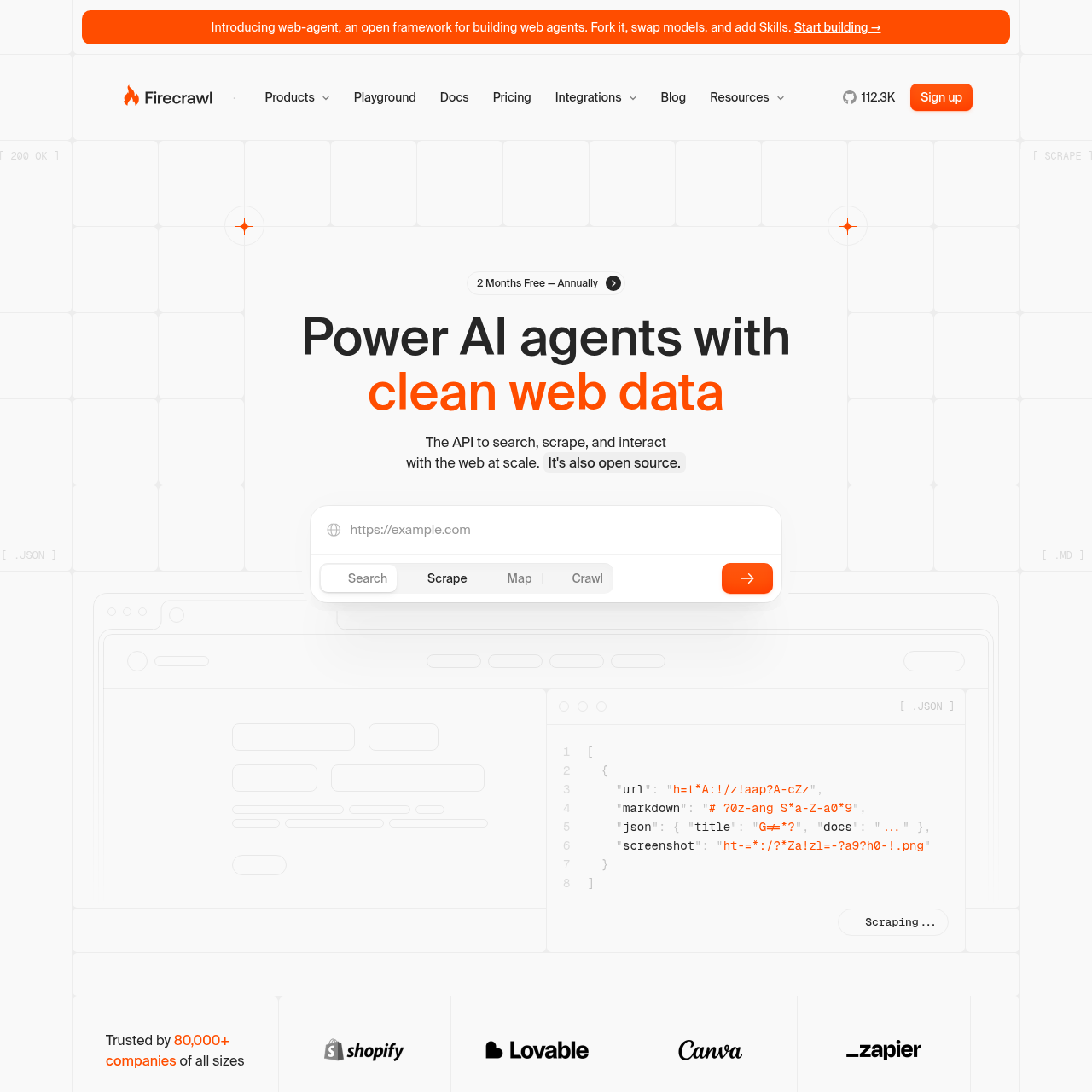
The real power shows in practical business use cases. Say you're building a lead generation system — you can connect Firecrawl as an MCP connector in Claude Code, then ask it to find 20 leads in a specific business niche. Firecrawl scrapes their websites, extracts names, emails, websites, and interesting facts, and delivers it all in a structured format you can export to JSON, CSV, or an interactive HTML document.
Free Tier
- ✓ 500 credits included
- ✓ API access
- ✓ MCP connector ready
Hobby
- ✓ 3,000 credits/month
- ✓ Priority processing
- ✓ Advanced extraction
Standard
- ✓ 100K credits/month
- ✓ Batch scraping
- ✓ Team features
3. NotebookLM Skill — Your Free Research Team Inside Claude Code
Google's NotebookLM is already the world's best research and intelligence tool. But connecting it to Claude Code via the NotebookLM skill turns it into something far more powerful: a programmable research team that Claude can spin up, populate, and query — all without you lifting a finger.
The workflow is straightforward. Tell Claude what you need researched, and it creates a NotebookLM notebook with up to 300+ sources — YouTube videos, PDFs, web pages, documents. Claude then queries the notebook directly and gets answers back. The critical point: querying NotebookLM costs $0. If all those sources were loaded as text into Claude's context, you'd be burning thousands of tokens. With NotebookLM, the question goes out and an answer comes back, with zero token overhead.

The skill connects via browser cookies (it's an unofficial API), which means there's a one-time authentication step per machine. Once connected, you can ask Claude things like "create a notebook on growing Instagram in the AI niche with 20 YouTube videos from experts" and it handles everything. The recent community upgrades have made it even more robust — you can generate cinematic overviews, podcasts, and download files directly.
Heads up: This is an unofficial API using browser cookies. You may need to re-authenticate occasionally, and it's a one-browser-per-machine setup. Not ideal for team development, but unbeatable for individual research workflows.
FLASHCARDS Test Your Knowledge: NotebookLM & Awesome Design MD
4. Awesome Design MD — 68 Brand Design Systems, Ready to Ship
AI is exceptionally good at writing code. It's less consistently good at understanding what visual excellence looks like. That's the gap Awesome Design MD fills. It's a curated library of 68 brand design systems — Apple, Claude, Lamborghini, Luma Labs, and dozens more — codified as markdown files that Claude can read and reproduce.
Think of it as a wardrobe of brand identities. No bespoke designer, no three-week mood board. You pick a design system (say, Claude's aesthetic), paste the GitHub repo into Claude Code, and tell it to build a website in that style. Claude reads the typography specs, color palettes, spacing rules, and component patterns, then produces designs that genuinely look like they came from that brand's own design team.
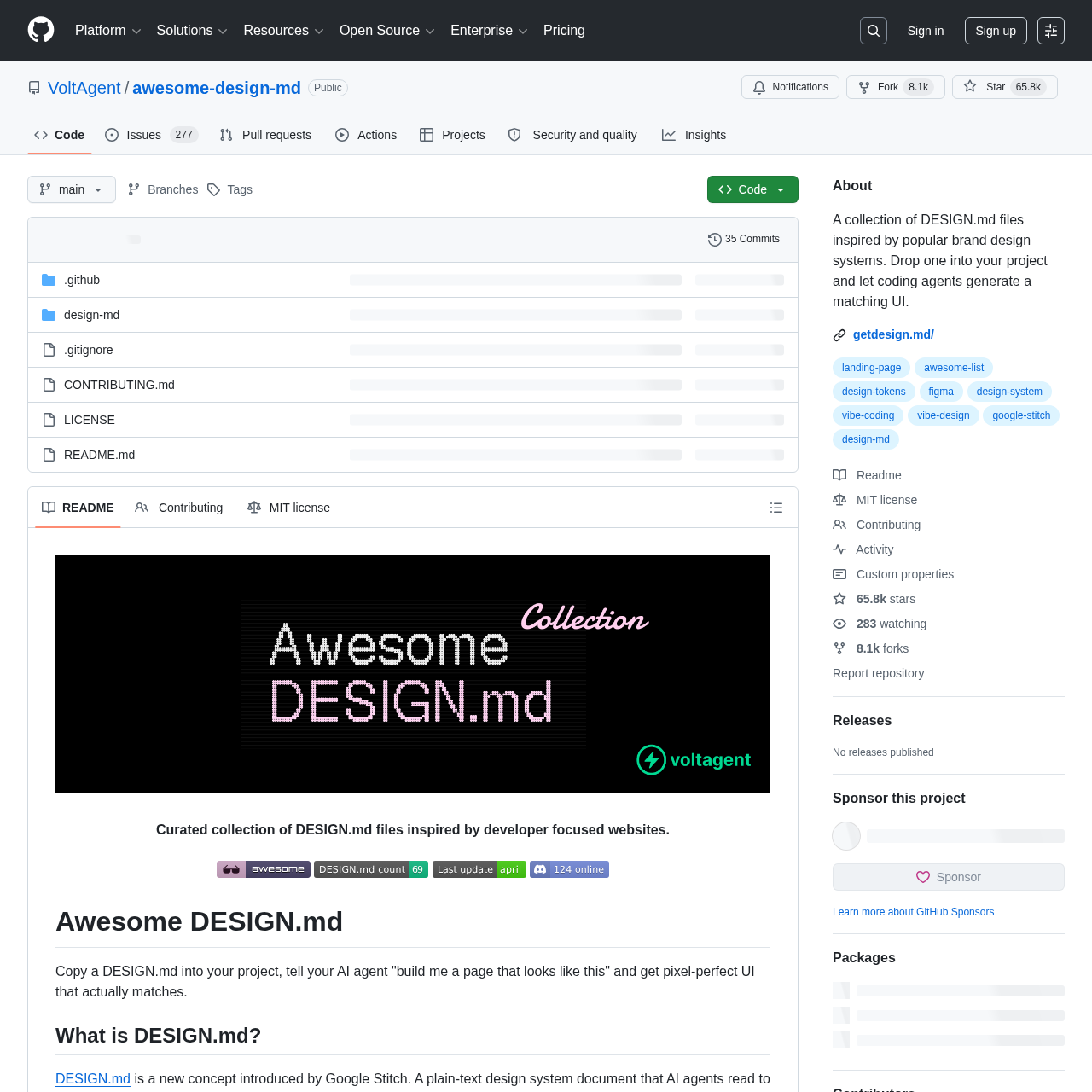
The library covers nine categories: AI developer tools, backend/productivity, SaaS, design/creative, fintech, and more. Each design system includes complete typography rules, font specifications, color tokens, component patterns, and spacing guidelines. It's the difference between "make me a website" and "make me a website that looks like it was designed by Apple's team."
Pro tip: Run 4-5 designs simultaneously in separate environments, then pick the best one. Quality varies between design systems, so generating multiple options and adding a refining prompt or two gets the best results. If you want to learn how to turn these designs into live, SEO-optimized websites, check our guide on the best AI coding tools in 2026.
5. Claude Code Router — Keep the UX, Slash the Bill by 88%
Here's the uncomfortable truth about Claude Code: Opus 4.6 and 4.7 are brilliant, but you don't always need a Formula 1 engine to park the car. Sometimes a Fiat Punto gets the job done. Claude Code Router is a local proxy that keeps the familiar Claude Code interface but swaps the model behind it based on task complexity.
Claude Code thinks it's talking to Anthropic, but the Router intercepts requests and sends them to the most appropriate model via OpenRouter. Simple file creation? Kimi K2.6. Documentation update? DeepSeek. Complex multi-file refactor? That still goes to Opus. The result: up to 88% cheaper token costs on tasks that don't need heavyweight models, while keeping your existing skills, hooks, and workflows intact.
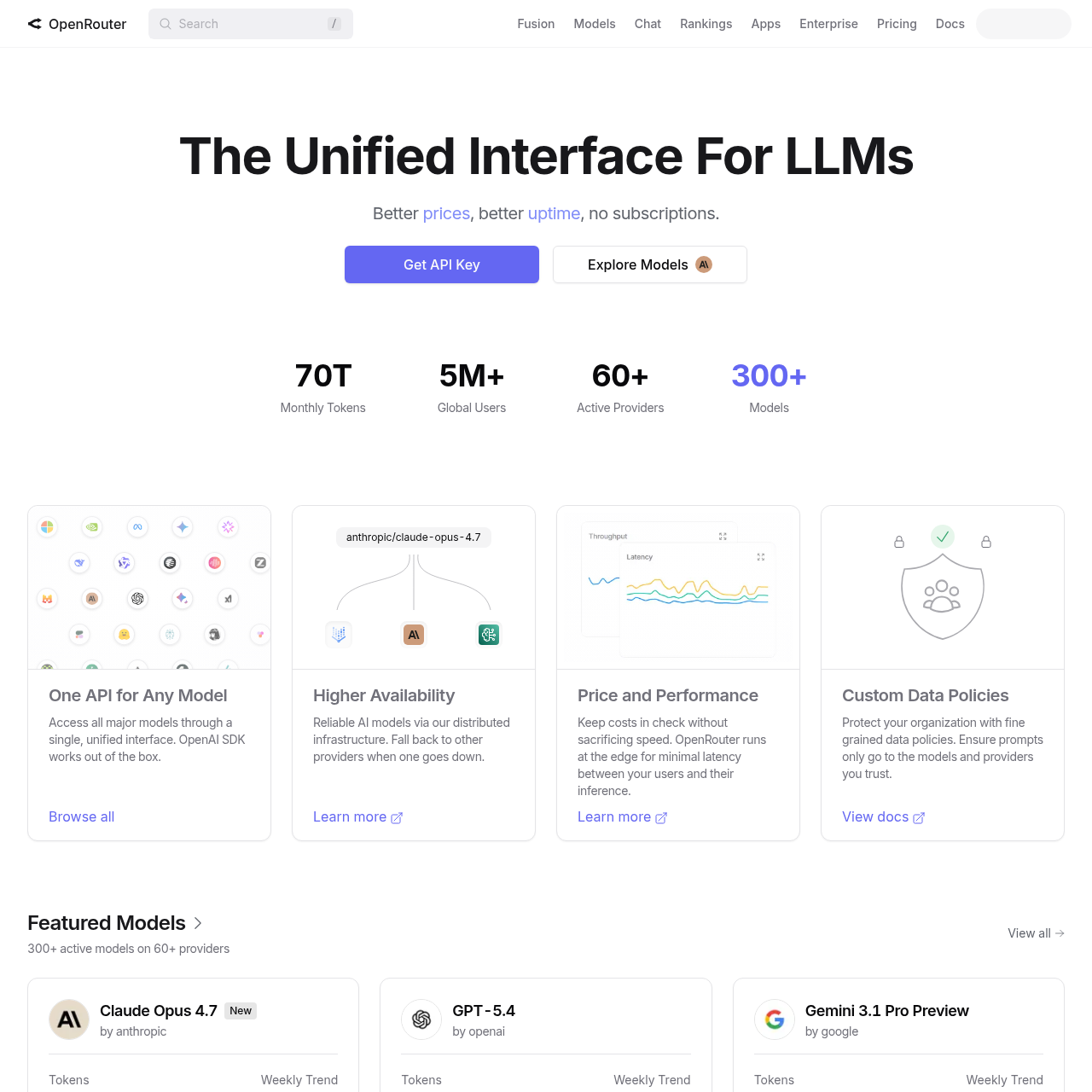
Setup is straightforward: clone the repo, provide your OpenRouter API key (even $10 of credit is plenty to start), and configure your model preferences. You can exclude specific model providers, set default routing rules, and let the Router handle the rest. It works best in terminal-based Claude Code environments rather than the Claude desktop app, since the app's backend is more tightly coupled to Anthropic's servers.
| Model | Input (per 1M tokens) | Output (per 1M tokens) | Savings vs Opus |
|---|---|---|---|
| Claude Opus 4.6 | $15.00 | $75.00 | — |
| Claude Sonnet 4.6 | $3.00 | $15.00 | 80% |
| Kimi K2.6 | $1.80 | $9.00 | 88% |
| DeepSeek V4 | $0.27 | $1.10 | 98% |
Watch out: Skills and MCPs that rely on Anthropic-specific tool call formatting can misbehave with non-Claude backends. Gemini models in particular can be prickly. And tool-calling quality drops off a cliff below Kimi K2.6 and DeepSeek for multi-file refactors. Use the Router for simple tasks; keep Opus for the heavy lifting.

FLASHCARDS Test Your Knowledge: Router & Skill Stacking
Stacking Skills for Maximum ROI
These skills become exponentially more powerful when combined. Here's a real-world example workflow that stacks all five:
Create a notebook loaded with competitor websites, industry reports, and YouTube analyses. Query it for free to understand the market landscape.
Extract structured data from competitor websites — pricing pages, feature lists, customer testimonials — at 80% less token cost than raw HTML.
Pick a brand aesthetic that matches your market positioning. Generate 4-5 design options and refine the best one.
Once your project scales past a few hundred files, build the knowledge graph and save 70x on every code query.
Use Opus for architecture decisions and complex refactors. Route everything else through Kimi K2.6 or DeepSeek and watch your token bill drop 88%.
The compound effect is significant. NotebookLM eliminates research token costs. Firecrawl cuts scraping costs by 80%. Graphify makes code queries 70x cheaper. The Router handles routine tasks at 88% less. Layer these together and you're looking at dramatically lower operating costs while actually increasing capability.


Skill-by-Skill Comparison
| Router | Firecrawl | Graphify | NotebookLM | Design MD | |
|---|---|---|---|---|---|
| Cost Savings | Up to 88% | 80% on tokens | Up to 70x | $0 overhead | No designer needed |
| Setup | Clone repo + OpenRouter key | MCP connector | Clone + /graphify | One-time auth | Paste GitHub repo |
| Best For | Simple tasks & docs | Lead gen & scraping | Large repos (500+) | Research (300+ sources) | Brand-quality design |
| Free Tier | Free via OpenRouter | 500 credits | 100% free & OSS | Free (Google acct) | Free GitHub lib |
| Limitations | Tool call issues with non-Claude | Paid tiers after free credits | Overhead on small repos | Unofficial API; re-auth needed | Curated, not custom |
Pros and Cons
Strengths
- ✓ Massive cost savings. Compound 70x + 80% + 88% reductions across the full workflow.
- ✓ All free/low-cost to start. Every skill has a free tier or is entirely open-source.
- ✓ Works with existing setup. Skills, MCPs, and muscle memory all carry over — no retraining needed.
- ✓ Stackable. Each skill amplifies the others — research feeds design, design feeds code, routing cheapens everything.
Limitations
- ✗ Graphify overhead on small repos. Below 30 files, building the graph takes longer than the savings justify.
- ✗ NotebookLM auth friction. Unofficial API via cookies means occasional re-authentication and one browser per machine.
- ✗ Router + tool calling. Non-Claude models can fumble Anthropic-specific tool call formatting. Gemini is especially unreliable.
- ✗ Design MD is curated, not custom. The 68 brands are predefined templates — great inspiration, but you'll need to iterate.
Frequently Asked Questions
/graphify or /notebooklm.Recommended AI Tools
played.fm
Sell your music and keep 100%: played.fm is a direct-to-fan store + sync marketplace with 0% commission, no gatekeepers, and no bans — a strong fit for AI musicians.
View Review →OpenCode
The open-source AI coding agent: terminal-first TUI, 75+ model providers, LSP context, subagents, and privacy-first design. Free software, ~180K GitHub stars.
View Review →Exa
The neural web search API for AI agents: embeddings-based retrieval, cited highlights, sub-180ms latency, and an MCP server. 20,000 free requests/month.
View Review →Google Antigravity
Google's agent-first IDE: run a fleet of AI agents from a Manager surface, on Gemini 3 Pro, Claude Sonnet 4.5, or OpenAI models. Free in public preview.
View Review →