
Floot Review 2026: AI Chatbots
Updated March 2026 · 10 min read · By PopularAiTools.ai
TL;DR
Floot is an AI-powered platform that allows you to build web applications simply by describing your ideas to an AI chatbot. You can generate functional web apps with dynamic content and interactive elements without writing any code. It streamlines the app development process, making it accessible to users with no prior coding experience. Best suited for Entrepreneurs, product managers, designers, and anyone with a web app idea but no coding skills.. Rating: 4.0/5
What is Floot?
Floot is an AI-powered platform that allows you to build web applications simply by describing your ideas to an AI chatbot. You can generate functional web apps with dynamic content and interactive elements without writing any code. It streamlines the app development process, making it accessible to users with no prior coding experience.
In the rapidly evolving ai chatbots space, Floot aims to provide a comprehensive solution for Entrepreneurs, product managers, designers, and anyone with a web app idea but no coding skills.. The platform combines artificial intelligence with intuitive design to streamline workflows and deliver professional-quality results without requiring deep technical expertise.
As AI tools continue to mature in 2026, Floot positions itself as a viable option for users seeking to leverage AI capabilities in their daily work. Whether you are a beginner exploring AI tools or an experienced professional looking for efficiency gains, this review covers everything you need to know.
Key Features
1. AI-Powered App Building
Build web applications by conversing with an AI.
2. No-Code Development
Create functional web apps without writing any code.
3. Dynamic Content
Integrate dynamic data and content into your applications.
4. Interactive Elements
Add interactive features to your web apps.
5. Idea to App
Transform your app ideas into reality quickly and easily.

How to Use Floot
Step 1: Sign Up and Configure
Visit the Floot website and create an account. Most plans offer a free tier or trial period so you can evaluate core features before committing to a paid plan. During setup, configure your preferences and connect any required integrations.
Step 2: Input Your Requirements
Provide the platform with the information it needs to deliver value. Depending on the tool, this might involve uploading files, connecting data sources, describing your needs, or configuring automation rules. The more context you provide, the better the output quality.
Step 3: Review and Iterate
Review the AI-generated output carefully. While AI tools have improved dramatically, human oversight remains essential for quality assurance. Provide feedback and iterate to refine results until they meet your standards.
Step 4: Integrate Into Your Workflow
Once satisfied with the output, integrate Floot into your regular workflow. Set up any automations, export data to your preferred formats, and establish review processes for ongoing use.
Pricing
Floot operates on a freemium model, allowing users to explore core features before upgrading. When evaluating pricing, consider the time savings and efficiency gains against the subscription cost. For most business tools, if the platform saves you more than a few hours per month, the ROI is positive even at premium price points.

Pros and Cons
Pros
- ✓ Extremely easy to use for non-coders.
- ✓ Rapid prototyping of web application ideas.
- ✓ Potentially democratizes app development.
- ✓ AI-driven approach simplifies the process.
Cons
- ✗ Limited customization compared to traditional coding.
- ✗ May have limitations on complexity of applications.
- ✗ Dependent on AI's interpretation of requirements.
- ✗ Current free plan is likely very limited.
Best Floot Alternatives

Final Verdict: Is Floot Worth It?
Floot offers a solid solution in the ai chatbots space. For Entrepreneurs, product managers, designers, and anyone with a web app idea but no coding skills., it provides genuine value through its AI-powered features and intuitive interface. The platform shows clear potential and delivers on its core promises.
As the AI tool landscape continues to evolve rapidly in 2026, choosing the right tool requires balancing features, pricing, maturity, and integration with your existing workflow. We recommend trying the free tier or trial before committing, comparing against at least two alternatives, and evaluating based on your specific use case rather than general reviews.
Our Rating: 4.0 / 5
Build an AI Tool? Get It in Front of the Right Audience
PopularAiTools.ai reaches thousands of qualified AI buyers monthly.
Submit Your AI Tool →Frequently Asked Questions
What kind of web apps can I build with Floot?
You can build a wide range of web apps, from simple landing pages to more complex applications with dynamic content and user interactions.
Do I need any coding knowledge to use Floot?
No, Floot is designed for users with no prior coding experience. You interact with an AI chatbot to describe your app.
How does Floot turn my idea into an app?
Floot uses AI to interpret your descriptions and generate the necessary code and structure for a functional web application.
What are the limitations of the free plan?
The free plan typically offers limited features, usage, and may include branding. Specific details are usually found on the pricing page.
Is Floot suitable for complex business applications?
Floot is best suited for rapidly prototyping and building simpler to moderately complex web applications. For highly complex enterprise solutions, traditional development or more robust no-code platforms might be better.
Can I export the code from Floot?
This information is not readily available, but typically no-code platforms either don't allow code export or offer it as a premium feature.
How does Floot handle data and integrations?
Floot aims to support dynamic content, which implies some form of data handling. Details on specific integrations would need to be checked on their platform.
What is the learning curve for Floot?
The learning curve is expected to be very low due to its conversational, AI-driven approach.

Get Premium AI Tool Insights
Subscribe to get weekly curated AI tool recommendations, exclusive deals, and early access to new tool reviews.
Related Tools
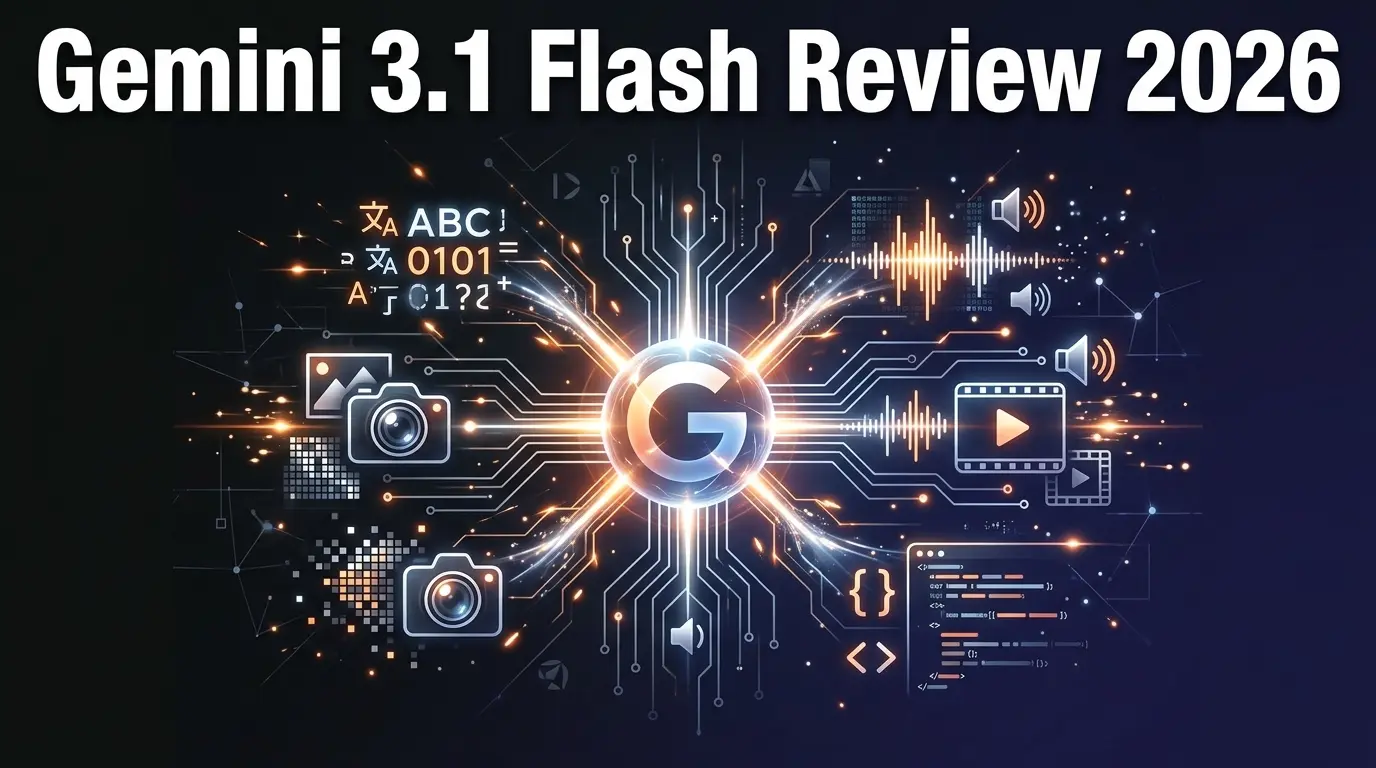
Google Gemini 3.1 Flash Live
ai-chatbots
Google Gemini 3.1 Flash Live is a fast, affordable multimodal AI model with real-time streaming. Handles text, images, audio, video, and code at a fraction of the cost of GPT-5.
P
Pulse Ai
ai-chatbots
Pulse AI is an always-on AI business intelligence analyst that builds dashboards, answers plain-language queries, detects trends and anomalies, and turns data into actionable insights.
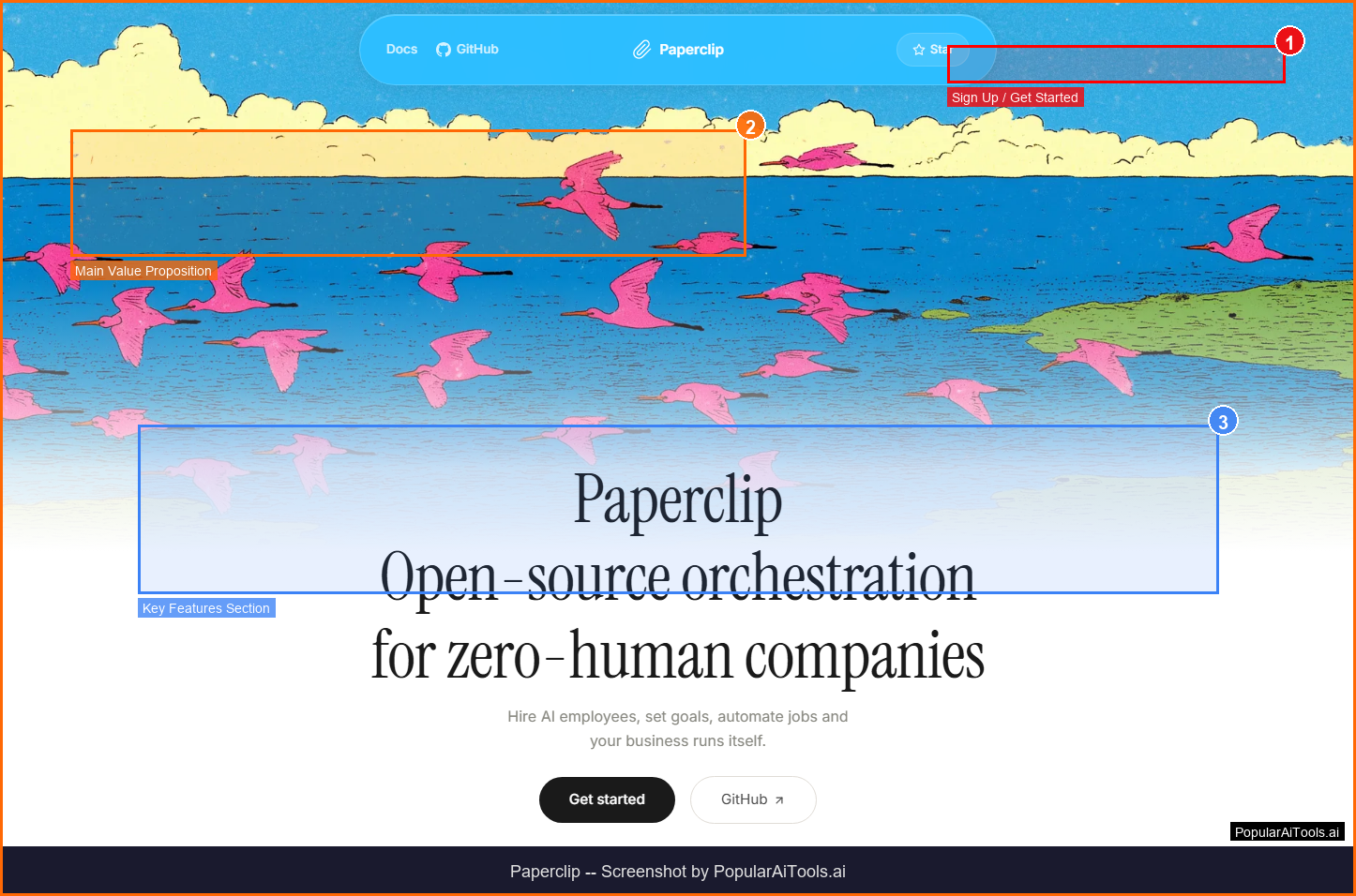
Paperclip
ai-chatbots
Paperclip: A self-hosted platform that orchestrates autonomous AI-driven companies by hiring, organizing, and coordinating LLM- or agent-based workers.
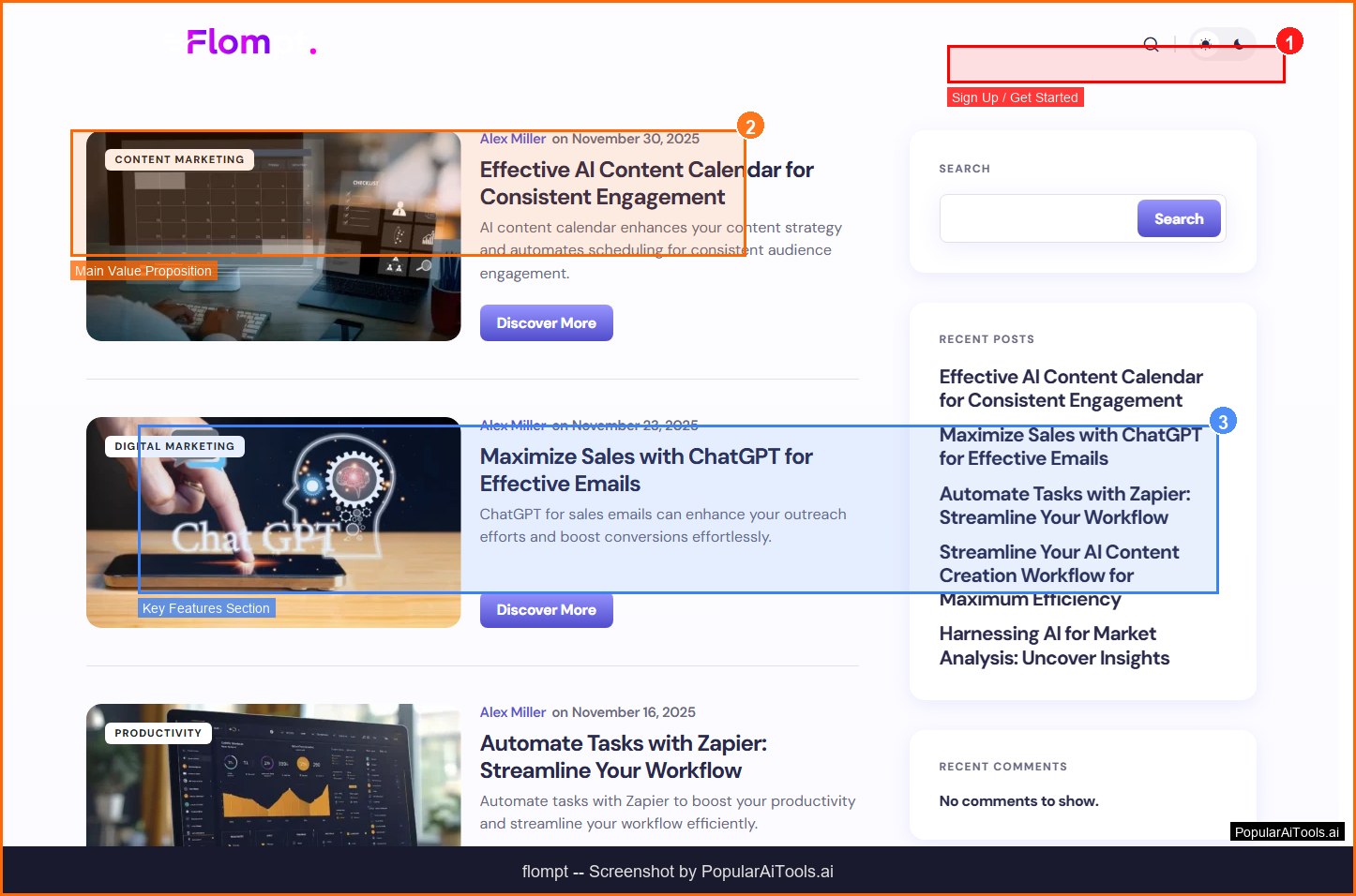
flompt
ai-chatbots
Related Articles
10 Claude Code Skills, Plugins & CLIs to Install on Day One (April 2026)
Starting Claude Code from scratch in 2026? Install these 10 skills, plugins, and CLIs on day one — Codex CLI, Obsidian, Autoresearch, Firecrawl, Playwright, NotebookLM, Skill Creator, RAG-Anything, Google Workspace CLI, and awesome-design-md. Full install commands included.
We Tested 24 AI Models Inside Claude Code: The 2026 Tier List
We swapped 24 different AI models into Claude Code and ran identical tool-call tests on each. Here's the S-tier-to-D-tier ranking, real cost comparison, and the single best Claude Sonnet 4.6 alternative for 2026 — including the GLM 4.6 sleeper pick that matched Sonnet at 15% the cost.
Claude as a Creative Studio: Make Ads, Images, and Video From One Chat (2026)
Claude doesn't generate raster images natively, but in 2026 it's the smartest creative director on Earth — orchestrating Nano Banana 2, Sora 2, Runway, Higgsfield, Remotion, and VEED into a single ad-and-video factory. The full stack, the variant matrix trick, and how to build a YouTube Shorts factory.