
⚡ TL;DR — Memara Review
Memara is a persistent memory layer for AI agents that provides plug-and-play integrations with Claude Desktop, ChatGPT Actions, and other AI platforms. It uses semantic search and multi-tenant security to give your AI assistants the ability to remember past interactions, building context over time for more personalized and coherent responses.
📝 Table of Contents

What is Memara?
Memara is a persistent memory infrastructure for AI agents and assistants. It solves one of the biggest limitations of current AI systems: the inability to remember past interactions. By providing a dedicated memory layer, Memara enables AI tools to build context over time and deliver more personalized, coherent responses.
The platform offers plug-and-play integrations with popular AI interfaces including Claude Desktop, ChatGPT Actions, and MCP (Model Context Protocol) servers. Developers can add persistent memory to their AI applications without building complex storage and retrieval systems from scratch.
As a tool in the AI Developer Tools category, Memara targets developers and teams building AI-powered applications that need long-term memory capabilities. It uses semantic search for intelligent retrieval and includes multi-tenant security for enterprise deployments.
Key Features of Memara
Here are the standout features that make Memara worth your attention:
1. Persistent AI Memory
Stores and retrieves memories from past interactions, giving AI agents the ability to remember context across sessions
2. Plug-and-Play Integrations
Ready-made connectors for Claude Desktop, ChatGPT Actions, MCP servers, and custom AI applications
3. Semantic Search Retrieval
Uses vector-based semantic search to find relevant memories based on meaning, not just keyword matching
4. Multi-Tenant Security
Enterprise-grade isolation between different users, teams, or applications sharing the same memory infrastructure
5. MCP Server Support
Native support for Model Context Protocol, enabling memory integration with the growing MCP ecosystem
6. Developer-First API
Clean REST API and SDKs for integrating memory capabilities into any AI application or workflow

How to Use Memara: Step-by-Step Guide
Getting started with Memara is straightforward. Here is a complete walkthrough:
1
Visit memara.io and create your developer account
2
Choose your integration method — Claude Desktop, ChatGPT Actions, MCP server, or custom API
3
Configure your memory collections and set up multi-tenant isolation if needed
4
Connect Memara to your AI application using the provided SDK or API endpoints
5
Your AI agent will now automatically store and retrieve relevant memories across sessions
6
Monitor usage and fine-tune memory retrieval settings through the dashboard
Memara Pricing Plans
Here is a complete breakdown of Memara's pricing structure:
Memara is in active development. Pricing details may vary — check the website for current plans.

Pros and Cons
👍 Pros
- ✓ Solves a critical AI limitation (memory)
- ✓ Plug-and-play with Claude and ChatGPT
- ✓ Semantic search for intelligent retrieval
- ✓ Multi-tenant enterprise security
- ✓ MCP protocol support
- ✓ Developer-friendly API
👎 Cons
- ✗ Relatively new and niche product
- ✗ Pricing not fully transparent
- ✗ Requires developer integration
- ✗ Limited non-technical user appeal
Best Memara Alternatives
If Memara is not the right fit, here are the top alternatives worth considering:

Final Verdict: Is Memara Worth It?
★★★★☆
3.9/5
Memara addresses a genuine gap in the AI ecosystem: persistent memory for agents. The plug-and-play integrations with Claude Desktop and ChatGPT make it accessible for developers who do not want to build memory infrastructure from scratch. As the MCP ecosystem grows, Memara is well-positioned to become essential infrastructure. However, it remains a developer-focused tool with limited appeal for non-technical users.
Frequently Asked Questions
What is Memara?
Memara is a persistent memory layer for AI agents that enables them to remember past interactions and build context over time using semantic search.
How does Memara integrate with Claude Desktop?
Memara provides a plug-and-play integration for Claude Desktop that adds persistent memory capabilities without complex setup.
Is Memara open source?
Memara provides MCP server support and developer APIs, but the core platform is a hosted service rather than fully open source.
What is semantic search in Memara?
Memara uses vector-based semantic search to find relevant memories based on meaning and context, not just keyword matching.
Can Memara handle multiple users?
Yes. Memara includes multi-tenant security that isolates memory between different users, teams, or applications.
What is MCP support?
MCP (Model Context Protocol) is a standard for connecting AI models to external tools. Memara natively supports MCP for easy integration.
Do I need coding skills to use Memara?
Yes. Memara is primarily a developer tool that requires API integration. It is not designed for non-technical end users.
How is Memara different from Mem0?
While both provide AI memory, Memara focuses on plug-and-play integrations with specific platforms like Claude Desktop and ChatGPT, plus enterprise multi-tenant security.

This review was last updated on March 21, 2026. PopularAiTools.ai independently reviews AI tools and may earn commissions from qualifying purchases.
Get Premium AI Tool Insights
Subscribe to get weekly curated AI tool recommendations, exclusive deals, and early access to new tool reviews.
Related Tools
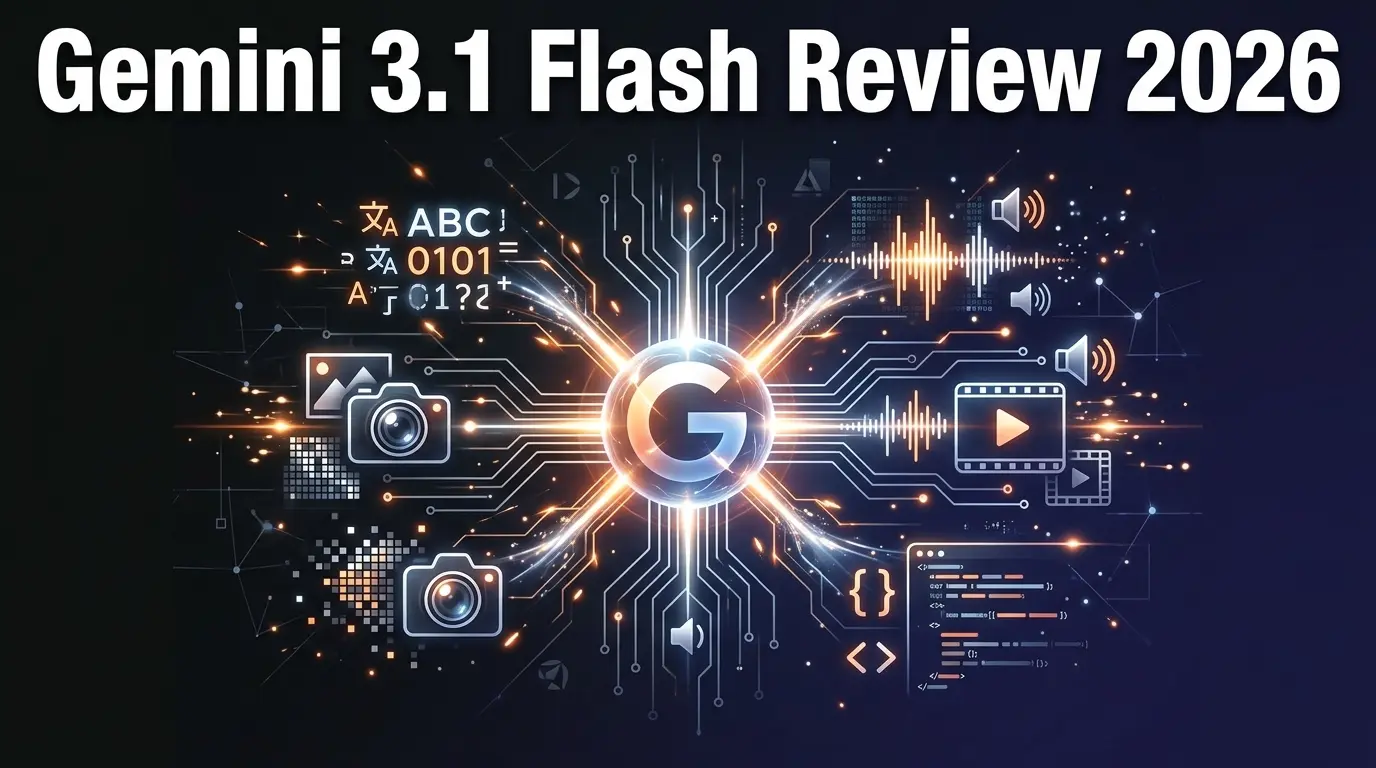
Google Gemini 3.1 Flash Live
ai-chatbots
Google Gemini 3.1 Flash Live is a fast, affordable multimodal AI model with real-time streaming. Handles text, images, audio, video, and code at a fraction of the cost of GPT-5.
P
Pulse Ai
ai-chatbots
Pulse AI is an always-on AI business intelligence analyst that builds dashboards, answers plain-language queries, detects trends and anomalies, and turns data into actionable insights.
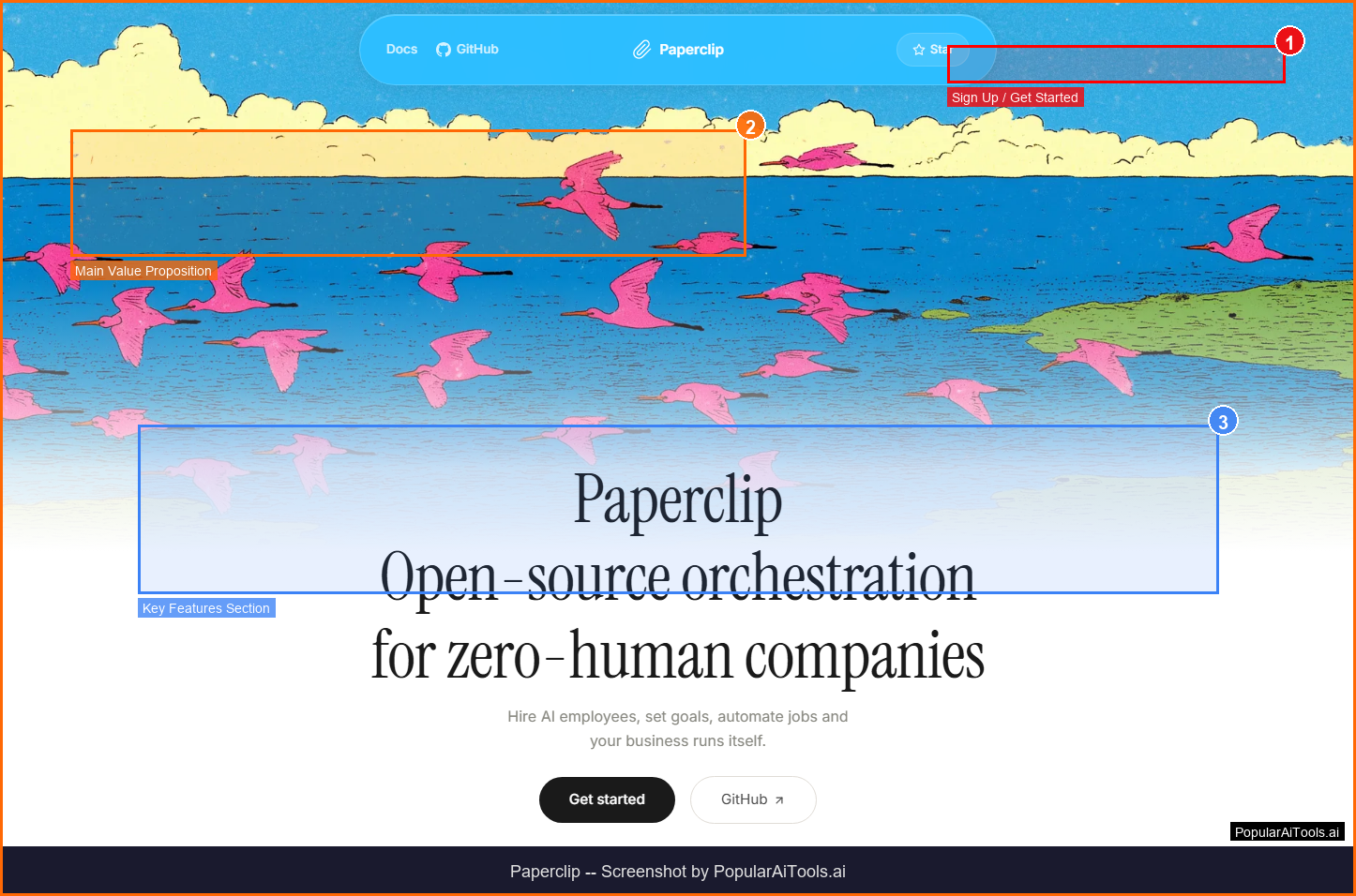
Paperclip
ai-chatbots
Paperclip: A self-hosted platform that orchestrates autonomous AI-driven companies by hiring, organizing, and coordinating LLM- or agent-based workers.

flompt
ai-chatbots
Related Articles
10 Claude Code Skills, Plugins & CLIs to Install on Day One (April 2026)
Starting Claude Code from scratch in 2026? Install these 10 skills, plugins, and CLIs on day one — Codex CLI, Obsidian, Autoresearch, Firecrawl, Playwright, NotebookLM, Skill Creator, RAG-Anything, Google Workspace CLI, and awesome-design-md. Full install commands included.
We Tested 24 AI Models Inside Claude Code: The 2026 Tier List
We swapped 24 different AI models into Claude Code and ran identical tool-call tests on each. Here's the S-tier-to-D-tier ranking, real cost comparison, and the single best Claude Sonnet 4.6 alternative for 2026 — including the GLM 4.6 sleeper pick that matched Sonnet at 15% the cost.
Claude as a Creative Studio: Make Ads, Images, and Video From One Chat (2026)
Claude doesn't generate raster images natively, but in 2026 it's the smartest creative director on Earth — orchestrating Nano Banana 2, Sora 2, Runway, Higgsfield, Remotion, and VEED into a single ad-and-video factory. The full stack, the variant matrix trick, and how to build a YouTube Shorts factory.