
TL;DR — MemU
MemU is an open-source agentic memory framework that powers autonomous AI agents with persistent, evolving memory. It processes multimodal inputs including conversations, documents, images, audio, and video to continuously learn from interactions, predict user intent, and act proactively without explicit commands. Achieving 92% accuracy on the Locomo benchmark, MemU integrates with OpenAI, Anthropic, Gemini, and others via Python, JavaScript, or REST API, delivering up to 90% cost savings compared to conventional memory solutions.
Table of Contents
What is MemU?
MemU is an open-source agentic memory framework that powers autonomous AI agents with persistent, evolving memory. It processes multimodal inputs including conversations, documents, images, audio, and video to continuously learn from interactions, predict user intent, and act proactively without explicit commands. Achieving 92% accuracy on the Locomo benchmark, MemU integrates with OpenAI, Anthropic, Gemini, and others via Python, JavaScript, or REST API, delivering up to 90% cost savings compared to conventional memory solutions.
Screenshot of MemU homepage — captured March 21, 2026 by PopularAiTools.ai

Key Features of MemU
Persistent Evolving Memory
Continuously learns from interactions to build a persistent memory that evolves over time, enabling AI agents to remember and anticipate.
Multimodal Input Processing
Processes conversations, documents, images, audio, and video for comprehensive context understanding across all data types.
92% Benchmark Accuracy
Achieves 92.09 percent average accuracy on the Locomo dataset across all reasoning tasks, significantly outperforming competitors.
Multi-Platform Integration
Integrates with OpenAI, Anthropic, Gemini, DeepSeek, Qwen, Grok, and OpenRouter via Python, JavaScript, or REST API.
90% Cost Savings
Delivers up to 90 percent cost savings compared to conventional cloud-based memory chains through optimized storage and retrieval.
Proactive Agent Support
Enables 24/7 proactive agents that predict user intent and act autonomously without waiting for explicit commands.
How to Use MemU
1
Install MemU
Install via pip with 'pip install memu-py'. Requires Python 3.13 or above.
2
Connect Your AI Model
Configure MemU with your preferred AI model provider like OpenAI, Anthropic, or Gemini.
3
Initialize Memory
Set up the memory framework and begin feeding it interactions, documents, and multimodal content.
4
Build Your Agent
Create autonomous agents that use MemU's persistent memory for context-aware, proactive behavior.
5
Monitor and Optimize
Track memory accuracy, retrieval speed, and agent performance through the built-in analytics.

MemU Pricing
Open source free | Cloud plans available
Pros and Cons
✓ Pros
- ✓Open source with 12,000+ GitHub stars and active community
- ✓92 percent benchmark accuracy outperforms competitors significantly
- ✓Up to 90 percent cost savings on memory operations
- ✓Supports all major AI providers through multiple API options
- ✓Multimodal processing handles text, images, audio, and video
- ✓Enables truly proactive AI agents that anticipate user needs
✗ Cons
- ✗Requires Python 3.13+ which may not be available in all environments
- ✗Self-hosting requires technical expertise for setup and maintenance
- ✗Complex framework with a learning curve for developers new to agent memory
- ✗Cloud pricing not publicly available

MemU Alternatives
Mem0
AI memory layer for personalized AI experiences with managed cloud option.
Zep
Long-term memory for AI assistants with conversation history management.
Motorhead
Redis-backed memory server for LLM applications.
LangChain Memory
Memory modules within the LangChain framework for conversation history.
Our Verdict
4.4/5
MemU is an impressive technical achievement in the AI agent memory space. The 92 percent benchmark accuracy and 90 percent cost savings are backed by the Locomo dataset evaluation, not just marketing claims. With 12,000+ GitHub stars, it has strong community validation. For developers building proactive AI agents that need persistent, evolving memory, MemU is the leading open-source option. The Python 3.13 requirement and self-hosting complexity are the main barriers, but for teams with the technical chops, the framework is exceptionally powerful. Rating: 4.4/5
Try MemU Today →
Visit the official MemU website to get started

Frequently Asked Questions
Is MemU free?
Yes, MemU is open source and free to use. Cloud and enterprise plans are available for managed hosting.
What AI platforms does MemU support?
MemU integrates with OpenAI, Anthropic, Gemini, DeepSeek, Qwen, Grok, and OpenRouter.
What is MemU's accuracy?
MemU achieves 92.09 percent average accuracy on the Locomo dataset across all reasoning tasks.
What inputs can MemU process?
MemU processes conversations, documents, images, audio, and video for comprehensive context understanding.
How much does MemU save on costs?
MemU delivers up to 90 percent cost savings compared to conventional cloud-based memory chains.
What Python version is required?
MemU requires Python 3.13 or above.
How many GitHub stars does MemU have?
MemU has over 12,000 GitHub stars indicating strong community adoption.
What are proactive agents?
Proactive agents use MemU's memory to predict user intent and act autonomously without waiting for explicit commands.
Last updated: March 21, 2026 | Review by PopularAiTools.ai
Get Premium AI Tool Insights
Subscribe to get weekly curated AI tool recommendations, exclusive deals, and early access to new tool reviews.
Related Tools

GoldMine AI
ai-business
Updated March 2026 · 11 min read · By PopularAiTools.ai
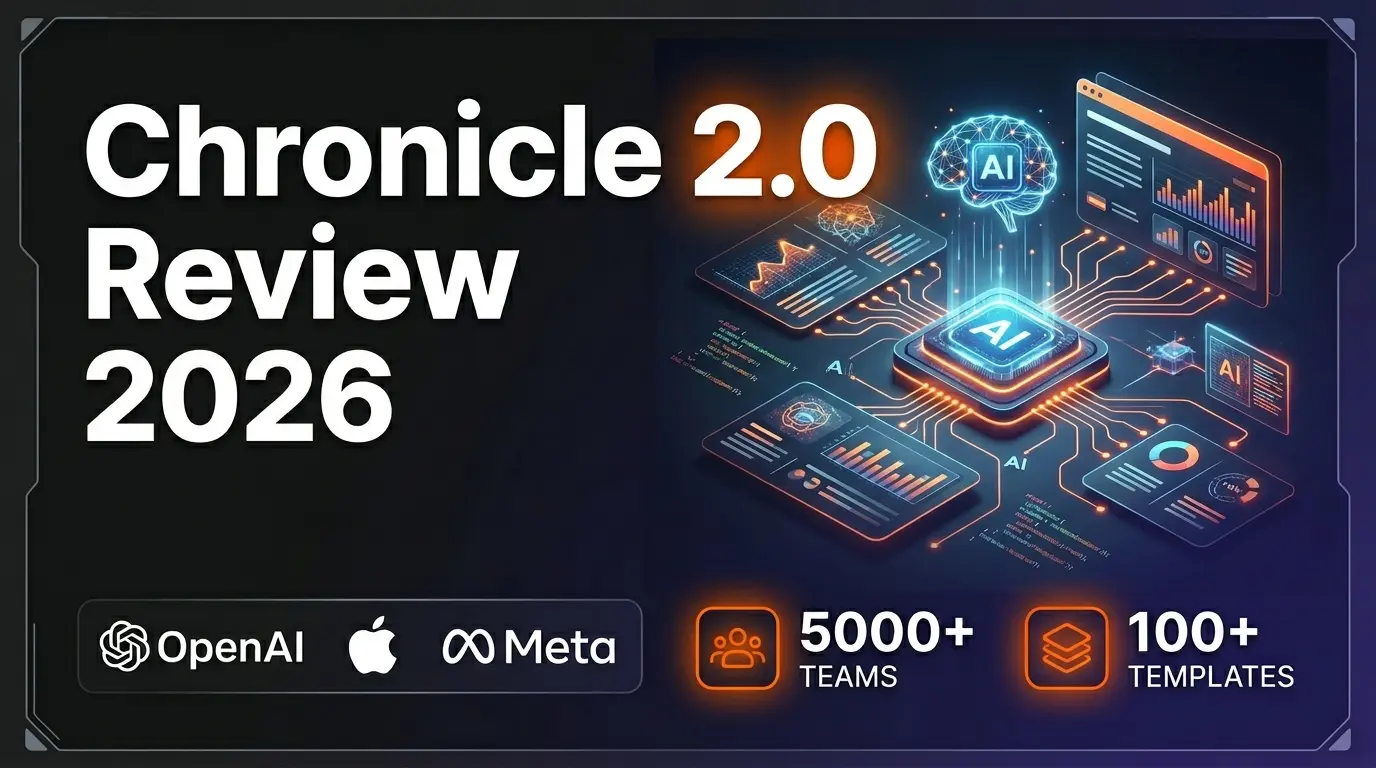
Chronicle 2.0
ai-business
Chronicle 2.0 is an AI-powered presentation maker that converts notes, outlines, and meeting docs into professionally designed slide decks with diagrams, freeform canvas, 100+ designer templates, and 100+ integrations. Trusted by 5,000+ teams including OpenAI, Apple, Meta, Figma, and Vercel.
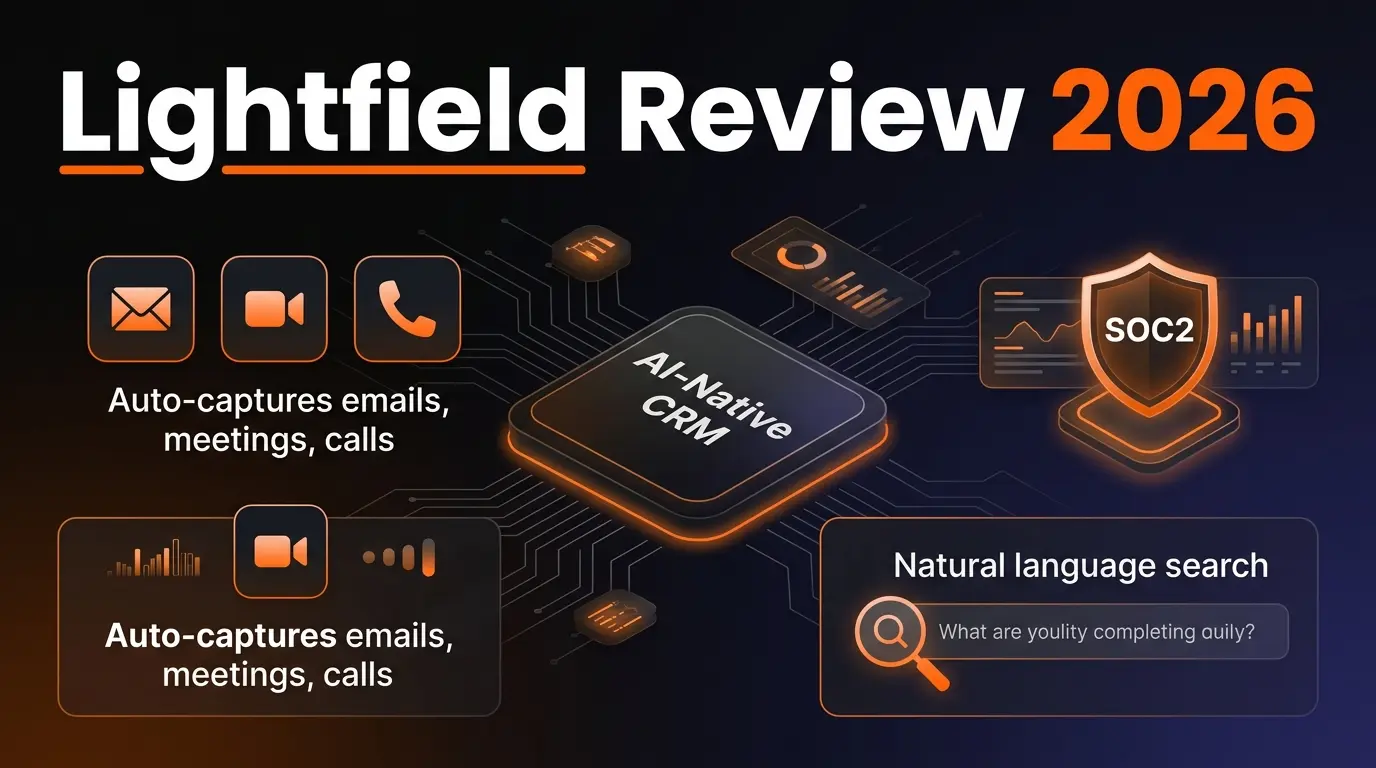
Lightfield
ai-business
AI-native CRM with complete customer memory. Auto-captures emails, meetings, and calls. Natural language search with source citations. Schema-less data model for startups and high-growth companies.
G
Get Sheet Done
Related Articles
10 Claude Code Skills, Plugins & CLIs to Install on Day One (April 2026)
Starting Claude Code from scratch in 2026? Install these 10 skills, plugins, and CLIs on day one — Codex CLI, Obsidian, Autoresearch, Firecrawl, Playwright, NotebookLM, Skill Creator, RAG-Anything, Google Workspace CLI, and awesome-design-md. Full install commands included.
We Tested 24 AI Models Inside Claude Code: The 2026 Tier List
We swapped 24 different AI models into Claude Code and ran identical tool-call tests on each. Here's the S-tier-to-D-tier ranking, real cost comparison, and the single best Claude Sonnet 4.6 alternative for 2026 — including the GLM 4.6 sleeper pick that matched Sonnet at 15% the cost.
Claude as a Creative Studio: Make Ads, Images, and Video From One Chat (2026)
Claude doesn't generate raster images natively, but in 2026 it's the smartest creative director on Earth — orchestrating Nano Banana 2, Sora 2, Runway, Higgsfield, Remotion, and VEED into a single ad-and-video factory. The full stack, the variant matrix trick, and how to build a YouTube Shorts factory.