Updated March 2026 · 10 min read · By PopularAiTools.ai
Google Antigravity is an experimental interactive experience from Google that demonstrates browser-based physics simulations using web technologies. The project showcases how modern browsers can handle complex physics calculations and visual effects, turning web page elements into interactive objects affected by simulated gravity, collision, and other physical forces. It serves as both a technical demo and a fun creative tool for web developers interested in physics-based interactions. Pricing model: Free. Rating: 3.2/5
Google Antigravity is an experimental interactive experience from Google that demonstrates browser-based physics simulations using web technologies. The project showcases how modern browsers can handle complex physics calculations and visual effects, turning web page elements into interactive objects affected by simulated gravity, collision, and other physical forces. It serves as both a technical demo and a fun creative tool for web developers interested in physics-based interactions.
Real-time physics simulation running entirely in the browser using modern web technologies. Elements respond to gravity, collisions, and user interactions.
Web page elements become physical objects that can be tossed, stacked, and manipulated with mouse or touch interactions.
The project code is available for developers to study, modify, and use as a foundation for their own physics-based web experiences.
Works across modern browsers without plugins, demonstrating the capabilities of current web standards for interactive content.
Touch-based interactions on mobile devices, demonstrating responsive physics simulations across device types.
Serves as a learning resource for web developers interested in implementing physics simulations in browser environments.

Step 1: Sign Up or Install
Visit the official Google Antigravity website and create your account or download the application. Most plans offer a free trial or free tier so you can explore the platform before committing.
Step 2: Configure Your Workspace
Set up your workspace according to your needs. Google Antigravity provides onboarding guides or tutorials to help you get started quickly with the core features.
Step 3: Explore Core Features
Start using the main capabilities of Google Antigravity. Take advantage of any templates, presets, or quick-start options to accelerate your workflow and see results faster.
Step 4: Integrate with Your Stack
Connect Google Antigravity with your existing tools and workflows. Check for available integrations with popular platforms and APIs to maximize productivity.
Step 5: Scale and Optimize
As you become more familiar with Google Antigravity, explore advanced features and settings. Monitor your usage and results to optimize your workflow and determine if upgrading makes sense.
Google Antigravity is completely free as an open experimental project from Google.


Google Antigravity is a delightful technical demo rather than a productivity tool. It showcases what modern browsers can achieve with physics simulations and serves as inspiration for web developers building interactive experiences. While it has limited practical application, it is worth visiting for the fun factor and as an educational resource for anyone interested in browser-based physics.
Our Rating: 3.2 / 5
PopularAiTools.ai reaches thousands of qualified AI buyers monthly.
Submit Your AI Tool →Google Antigravity is an experimental browser-based physics simulation from Google that turns web elements into interactive physical objects.
Yes, Google Antigravity is completely free.
It is an experimental project from Google, not a commercial product or supported service.
Check the project's license for usage terms. Many Google experimental projects use open-source licenses.
Yes, it supports touch interactions on mobile browsers.
It uses modern web technologies including JavaScript and CSS to implement browser-based physics simulations.
As an experimental project, it may not receive regular updates. Check the project repository for the latest activity.
Yes, study the code and use libraries like Matter.js or Three.js to build your own physics-based web experiences.

Subscribe to get weekly curated AI tool recommendations, exclusive deals, and early access to new tool reviews.
ai-coding
InsForge — an AI-native backend platform that lets coding agents autonomously build, manage, and deploy full‑stack apps.
ai-coding
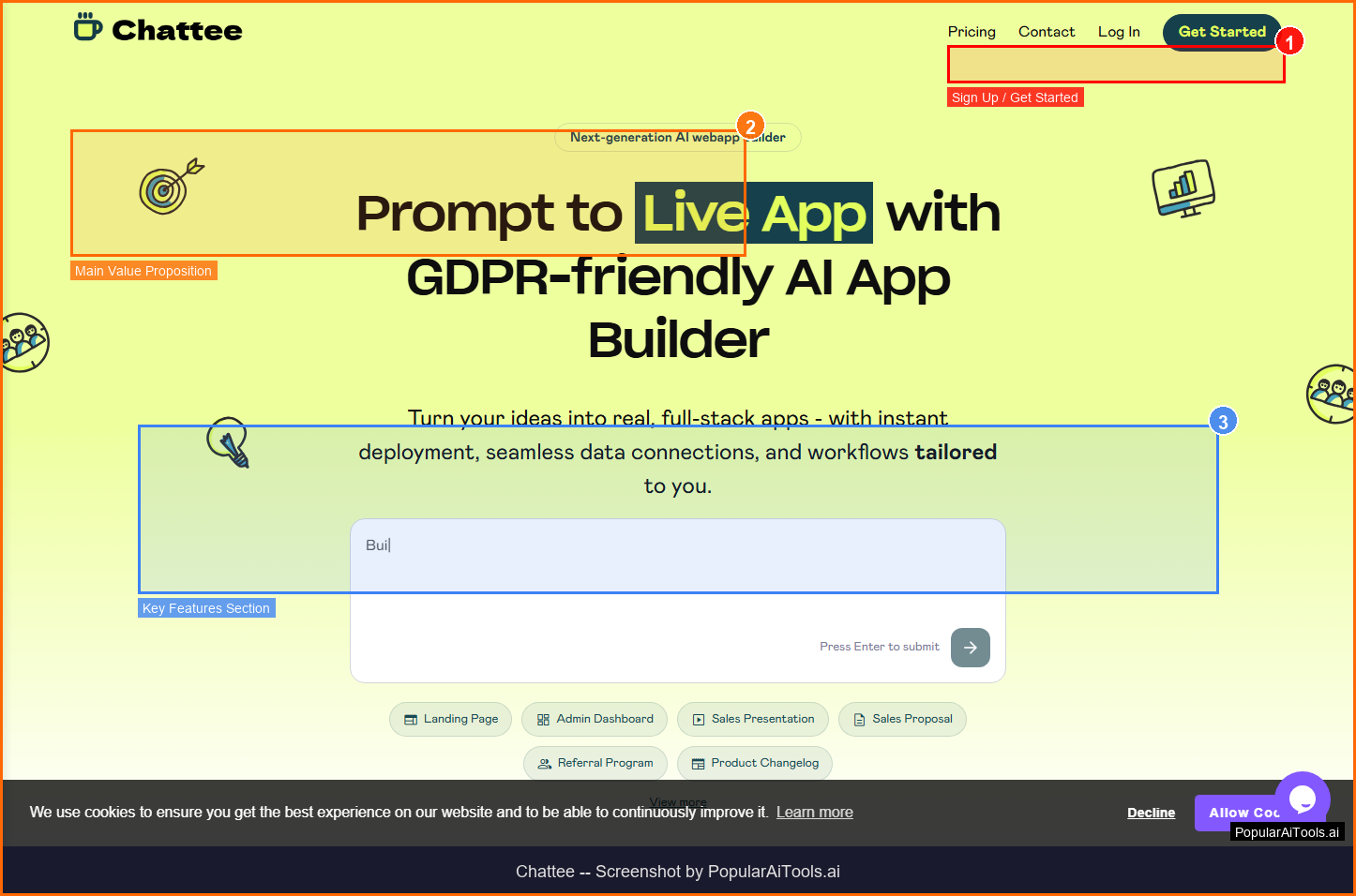
Chattee converts plain-English prompts into production-ready full-stack web applications.
ai-coding
Vivgrid: Platform to build, observe, test, and deploy multi-agent AI systems with observability, safety, and scalable GPU inference.
ai-coding
FlowGent AI builds no-code conversational agents trained on your content to automate sales and support across messaging platforms.
Every Distributor Kept Flagging My AI Music — Until I Found This If you’ve been making music with AI tools like Suno or Udio, you already know the frustration. You spend hours crafting the perfect prompt, tweaking generations, picking the best output, and then DistroKid or TuneCore rejects it. No de
Complete review of the OpenClaw Business Starter Kit — a tested setup package for non-technical business owners. Includes 10-section course, 4 industry configs, 3 pre-built skills, Docker setup, and security hardening. From zero to running AI assistant in 60 minutes for $59.
Stop wasting 30-50% of your Claude Code tokens re-explaining context. The Claude Code Power User Kit includes 10+ CLAUDE.md templates, 7 skills, hooks, and a best practices guide. Set up in 15 minutes. Just $39.